
Dry Mouth After 50: Why it Happens & 15 Natural Solutions


Dry mouth becomes much more common after age 50, but many people don’t realize how much it can affect daily life. It can make your mouth feel sticky, make eating and swallowing harder, cause you to wake up needing water during the night, and lead to ongoing bad breath.
If any of this sounds familiar, you’re not the only one dealing with it.
In this article, you’ll learn why dry mouth often develops after 50, what may be causing it, and simple ways to help keep your mouth more comfortable.
Why Does Dry Mouth Get Worse After 50?
Saliva production often slows down with age. Saliva helps protect teeth, wash away bacteria, and keep gums healthy, so less saliva can make eating, swallowing, and talking less comfortable.
Common causes
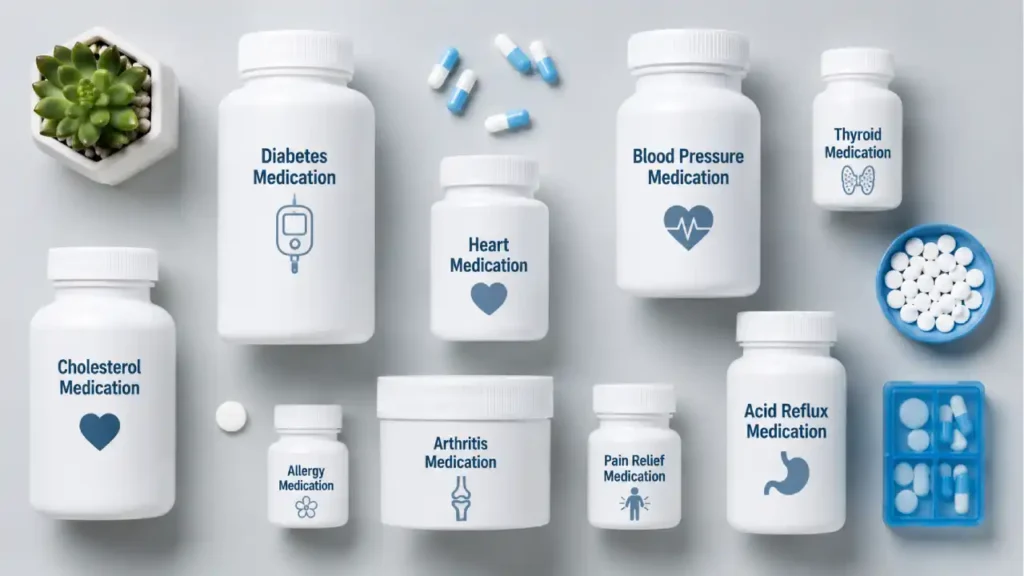
- Medications (most common)Many prescription medicines can reduce saliva flow.
Examples: medications for high blood pressure, depression, anxiety, sleep problems, allergies, and ADHD. If dryness started after a new medication, talk with your doctor. - Health conditions Diabetes may reduce saliva flow and make dry mouth symptoms more noticeable.
Sjögren’s syndrome can cause both dry mouth and dry, irritated eyes. - Sleep and mouth breathing Snoring, sleep apnea, nasal congestion, or CPAP/BiPAP use can lead to sleeping with the mouth open.
This often makes dry mouth worse in the morning.
Is Dry Mouth Actually Dangerous to Your Teeth?
Many people don’t realize how important saliva is for keeping the mouth healthy. It helps clean away food particles, reduces the buildup of harmful bacteria, and protects teeth and gums.
When there isn’t enough saliva, problems can start to appear. Teeth may be more likely to develop cavities, gums can become sore or swollen, and mouth sores may occur more often. In fact, many adults don’t realize that tooth decay tends to become more common as we get older, especially when saliva production drops.
Some people think dry mouth is only a minor discomfort at first. Then they begin noticing new dental problems and discover that the lack of saliva may be playing a role.
Signs that a dry mouth may be causing problems include:
Teeth that suddenly feel more sensitive
- Getting cavities more often, even with regular brushing. Sometimes these cavities start so small that they’re easy to miss until they become painful or visible.
- Ongoing bad breath that doesn’t improve even after brushing or mouthwash use. Dry mouth is actually one of the most overlooked causes of persistent bad breath.
- Waking up during the night to drink water
- Mouth sores or a burning feeling inside the mouth
- Difficulty eating or swallowing dry foods
If you’re noticing one or more of these signs, it’s a good idea to talk with your dentist or doctor.
Dry Mouth Warning Signs vs. What They Mean
| Warning Sign | What It Usually Means |
|---|---|
| Sudden tooth sensitivity | Enamel is weakening because saliva is no longer providing enough protection. |
| Multiple new cavities | Bacteria can build up more quickly when there isn’t enough saliva to rinse them away. |
| Sticky or thick saliva | The quality of saliva has changed, not just the amount being produced. |
| Mouth sores or burning | Oral tissues are becoming dry, irritated, and more vulnerable to discomfort. |
| Waking up for water repeatedly | Nighttime dryness may be severe and often points to mouth breathing during sleep. |
| Difficulty swallowing dry food | Saliva levels may be low enough to affect normal eating and swallowing. |
13 Natural Solutions for Dry Mouth After 50
The good news is that dry mouth can often be improved. In many cases, a few simple changes can help reduce discomfort and keep your mouth feeling more comfortable throughout the day.
Some solutions involve daily habits, while others may include products recommended by your dentist or a discussion with your doctor. Finding the right approach depends on what’s causing the dryness.
1. Sip Water Throughout the Day
Staying hydrated can help, but how you drink water matters too. Many people drink a large glass of water when their mouth feels dry, only to have the dryness return soon after.
Taking small sips throughout the day is often more helpful than drinking a lot at once. Keeping a water bottle nearby can make it easier to stay hydrated and keep your mouth feeling more comfortable.
2. Chew Sugar-Free Gum
Chewing can help your mouth produce more saliva naturally. One of the easiest ways to do this is by chewing sugar-free gum, especially options that contain xylitol, which may also help support dental health.
If you have jaw pain or jaw joint problems, avoid overdoing it. For most people, chewing a piece of sugar-free gum after meals can be a simple way to help reduce dry mouth symptoms.
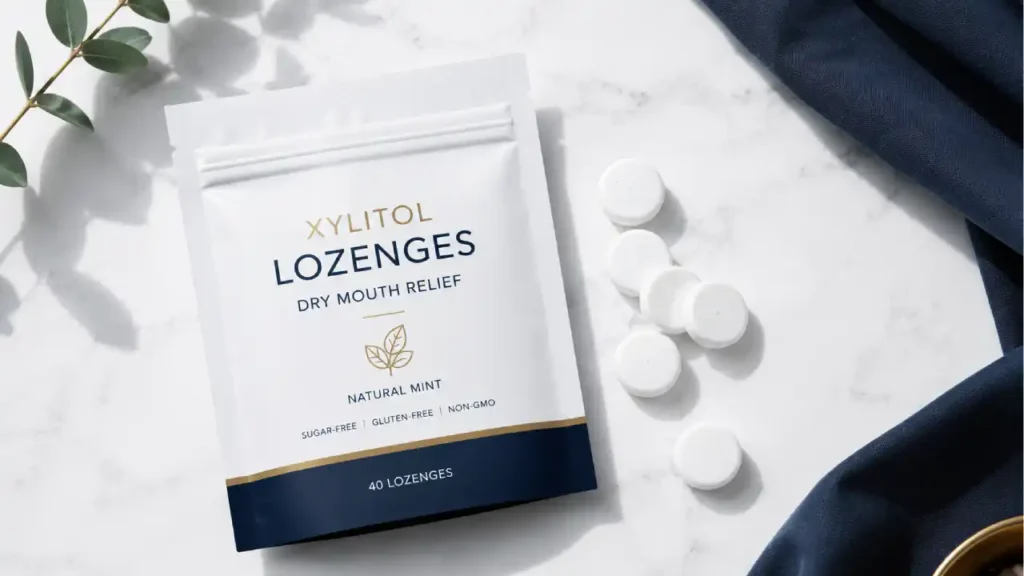
3. Try Xylitol Lozenges
Xylitol lozenges work similarly. They dissolve slowly in your mouth and can help keep it feeling more comfortable. They’re a good option if you don’t like chewing gum or if you need something discreet during work, meetings, or other situations where gum may not be practical.
4. Use XyliMelts at Night
XyliMelts can be especially helpful for dry mouth during sleep. These small discs are placed on the gums before bed and dissolve slowly over several hours, helping keep the mouth moist through the night.
Many people find they wake up less often because of a dry mouth after adding them to their bedtime routine.
5. Switch to a Dry Mouth Mouthwash
Some mouthwashes can make a dry mouth worse, especially those that contain alcohol. If you deal with ongoing dryness, it may help to switch to a mouthwash made specifically for dry mouth.
These products are designed to help keep the mouth comfortable without adding to the dryness. For many people, this simple change can make a noticeable difference.
6. Breathe Through Your Nose
Breathing through your mouth, especially while sleeping, can make a dry mouth much worse. For many adults, nighttime mouth breathing is linked to snoring or sleep apnea, both of which can leave the mouth feeling extremely dry by morning. If you often deal with a blocked nose or ongoing congestion, addressing the cause may help reduce dryness.
Depending on the reason for the congestion, options such as saline rinses, allergy treatment, or speaking with a doctor may help. Some people also find that nasal strips make it easier to breathe through their nose at night.
7. Run a Humidifier in Your Bedroom
Dry air can make a dry mouth worse, especially during the night. Using a humidifier in your bedroom adds moisture to the air and may help prevent your mouth from drying out while you sleep. This can be particularly helpful during colder months when indoor heating often makes the air much drier.
8. Avoid Alcohol and Caffeine
Alcohol and caffeine can make a dry mouth worse. If dryness is a regular problem, reducing your intake of coffee, tea, and alcohol may help improve symptoms. Drinking water throughout the day can also help keep your mouth more comfortable.
9. Stop Smoking or Using Tobacco
Smoking and other tobacco products can contribute to dry mouth and irritate the inside of the mouth. If you’re already dealing with dryness, tobacco use can make the problem worse. Reducing or quitting tobacco use can benefit both your mouth and your overall health.
10. Check Your Electrolytes
Sometimes, dry mouth may be linked to dehydration that isn’t solved by water alone. Minerals such as sodium, potassium, and magnesium help the body maintain proper fluid balance and use water effectively.
If you have diabetes or take blood pressure medication, it’s worth discussing ongoing dry mouth with your doctor. Diabetes can affect several aspects of oral health, including gum health, healing, and saliva production.
11. Avoid Sugary Candies and Cough Drops
Many people use candies or cough drops to relieve dry mouth, but products that contain sugar can increase the risk of cavities. When saliva levels are low, sugar tends to stay on the teeth longer, giving cavity-causing bacteria more time to damage enamel and create decay.
If you use lozenges, candies, or similar products for relief, choosing sugar-free options is usually the better choice.
12. Eat Softer, Moister Foods
Dry mouth can make foods like crackers, bread, and dry meats harder to chew and swallow. Adding moisture to meals with foods such as soups, yogurt, sauces, or gravies can make eating more comfortable.
13. Rinse With Plain Water After Meals
You don’t need anything complicated. Rinsing your mouth with plain water after meals can help remove food particles and keep your mouth feeling cleaner.
Ask Your Doctor About Medication Side Effects
If your dry mouth began after starting a new medication, it’s worth mentioning it to your doctor. In some cases, changing the dose, adjusting when you take it, or using a different medication may help reduce the dryness.

Conclusion
Many people suffer from temporary or long-term dry mouth and its symptoms. Very few of them attempt to treat it or find the underlying cause. This is where your dental visits make a difference.
Dentists like Dr. Alexander Heifitz, the founder of AL Dental Studio NYC, look beyond your teeth. Dedicated dentists look to fix issues related to your gums, tongue, and even salivary glands.
Frequently Asked Questions About Dry Mouth After 50
1. Is dry mouth just a normal part of aging?
Not necessarily. While saliva production can change as you get older, dry mouth is usually linked to a specific cause rather than age alone. Common causes include certain medications, health conditions, and mouth breathing during sleep.
2. Can drinking more water fix a dry mouth?
Water can help relieve dry mouth, but it doesn’t address the underlying cause. If your body isn’t producing enough saliva, the relief from drinking water is usually temporary.
3. Why is my mouth dry at night but okay during the day?
Nighttime dry mouth is usually caused by mouth breathing during sleep. When your mouth stays open overnight, all that airflow dries it out. Snoring, sleep apnea, or nasal congestion are common causes. Using a humidifier, nasal strips, or XyliMelts at night can help a lot.
4. What medications are most likely to cause dry mouth?
Blood pressure medications, antidepressants, anxiety medications, antihistamines (allergy pills), sleep medications, and some ADHD medications are among the most common causes. If you take any of these daily, that’s a very likely reason for your dry mouth.
5. Can dry mouth cause cavities?
Yes, absolutely. Saliva protects your teeth from decay every hour of the day. When saliva levels drop, bacteria grow more freely, acids stay on teeth longer, and your risk of cavities goes up significantly.
6. When should I see a dentist or doctor about dry mouth?
See someone if dry mouth is happening every day, if you’re waking up repeatedly at night for water, if you’re getting new cavities despite good brushing, if you have both dry mouth and dry eyes, or if swallowing is becoming difficult.
7. Does Sjogren's syndrome cause dry mouth?
Yes, Sjogren’s syndrome is an autoimmune condition that attacks the glands that produce saliva and tears. It commonly causes both dry mouth and dry eyes. If you have both symptoms, mention this combination to your doctor; it’s a specific combination that warrants testing.
Dental Experts, You Can Trust
Medically Reviewed. Last updated on April 8, 2026.
Learn more about our editorial standards.

Dr. Alexander Heifitz (Author)
Dr. Alexander Heifitz is the founder of AL Dental Studio in NYC, where he combines advanced dental expertise with a patient-first approach. He specializes in cosmetic and restorative treatments such as dental implants, veneers, Invisalign, and smile makeovers, helping New Yorkers achieve both oral health and confidence.

Book An Appointment
Looking for a reliable dentist in Upper East NYC? Whether you need a routine cleaning, urgent care, or a full smile transformation, we’ve got you covered. We accept most PPO insurance plans and offer flexible scheduling.
+1 (212) 430-3888
Call for appointment
Walk-ins Welcome / Same-Day Appointments Available

Related Blogs
When Do You Need a Dental Crown? 7 Signs It’s Time
Written by Dr. Alexander Heifitz, Founder of AL Dental Studio | Medically Reviewed. Last updated on February 16, 2026.
Read More
Tooth Erosion at the Gum Line: Causes, Fixes, and Honest Answers
Written by Dr. Alexander Heifitz, Founder of AL Dental Studio | Medically Reviewed. Last updated on June 12, 2026.
Read More