
Kids Tooth Extraction Upper East Side: Gentle Care for Growing Smiles


Facing a Tooth Extraction for Your Child Can Feel Overwhelming
As an Upper East Side family, you need dental care that is gentle, safe, and tailored specifically for growing smiles.
At AL Dental Studio, we evaluate each child’s tooth carefully before recommending an extraction. In some cases, a damaged baby tooth can be restored. In other situations, removing the tooth may be the safest way to address infection, severe decay, dental trauma, or problems with the eruption of permanent teeth.
Our office is located at 30 E 60th Street, New York, NY 10022, serving families from the Upper East Side, Lenox Hill, and Midtown East.
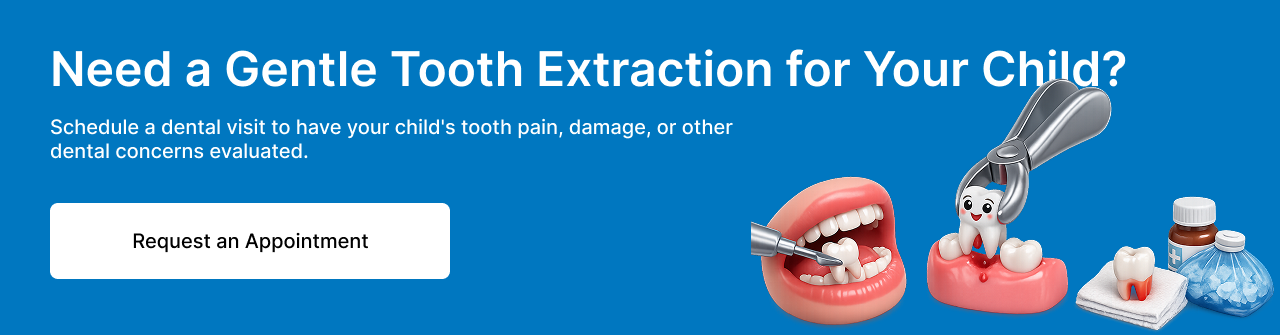
What Is a Pediatric Tooth Extraction?
A pediatric tooth extraction is the careful removal of a damaged, infected, or otherwise problematic tooth from a child’s mouth. Most extractions involve baby teeth, although a permanent tooth may occasionally need to be removed depending on the child’s condition.
The goal is not simply to remove a tooth. The dentist first considers how the affected tooth is connected to the child’s overall oral development. Baby teeth help children chew, speak, and maintain space for permanent teeth. Therefore, the decision to remove one should be based on the condition of the tooth and the potential impact on the surrounding teeth.
Before recommending extraction, the dentist may evaluate:
- The amount of decay or damage
- Whether the tooth can be restored
- The presence of infection
- The condition of the surrounding gums and bone
- The development and position of nearby permanent teeth
- The child’s age and stage of dental development
- Whether the tooth is interfering with normal eruption
In some situations, a severely damaged tooth cannot be restored safely. In other cases, a baby tooth may remain in place for too long and interfere with the permanent tooth developing underneath it. Dental trauma can also cause damage that makes extraction necessary.
If your child’s tooth problem is related to cavities, early treatment can sometimes prevent the need for extraction. Regular dental examinations allow the dentist to identify decay before it becomes more extensive and difficult to treat.
When Does a Child Need a Pediatric Tooth Extraction?
A child may need a tooth extraction when keeping the tooth would create a greater risk to their oral health than removing it. The dentist will usually consider whether the tooth can be repaired before recommending removal.
Severe Tooth Decay
Severe decay that cannot be saved with a pediatric crown or filling may require extraction. When decay has destroyed too much of the tooth structure, there may not be enough healthy tooth remaining to support a restoration.
Leaving a severely decayed tooth untreated can allow bacteria to continue affecting the tooth and surrounding tissues. In some cases, the infection may cause pain, swelling, or an abscess.
Dental Infection
An infected tooth may sometimes be treated with other dental procedures. However, if the infection is severe or the tooth cannot be predictably restored, extraction may be recommended.
Treating an infected tooth promptly is important because untreated dental infections can become more painful and may affect the surrounding tissues.
A Baby Tooth Is Blocking a Permanent Tooth
Sometimes a baby tooth does not fall out when expected. If it remains in place and interferes with the eruption of a permanent tooth, the dentist may recommend removing it.
The timing of this type of extraction depends on the child’s dental development and the position of the permanent tooth. The dentist may use an X-ray to understand what is happening below the gumline.
Crowding or Orthodontic Treatment
In some cases, a tooth may contribute to crowding or interfere with planned orthodontic treatment. If extraction is part of a broader orthodontic treatment plan, the dentist and orthodontic team should coordinate the timing carefully.
The goal is to create the necessary space while supporting the child’s long-term dental development.
Severe Dental Trauma
A fall, sports injury, or other accident can fracture a child’s tooth. If the tooth is severely damaged and cannot be restored, extraction may be necessary.
A damaged tooth should be evaluated as soon as possible, particularly if the child is experiencing pain, bleeding, swelling, or sensitivity.
The dentist will determine whether extraction is appropriate after examining the tooth and considering the child’s overall oral health.
Signs Your Child May Need a Tooth Extraction
Parents often wonder if their child’s tooth pain will go away on its own. Some signs mean your child should see a dentist.
Your child may need a dental checkup if they have:
- Tooth pain that does not go away
- Swollen or red gums
- Pain while chewing
- Avoiding one side of the mouth when eating
- A badly broken tooth
- Repeated tooth infections
- An abscess or pus around the tooth
- A loose baby tooth that does not fall out
- Tooth sensitivity that continues or gets worse
These signs do not always mean your child needs a tooth extraction. A dentist needs to examine the tooth to find the right treatment.
If your child has ongoing tooth pain or swelling, schedule a dental appointment as soon as possible.
Is Pediatric Tooth Extraction Painful?
The extraction should not cause sharp pain because the dentist numbs the area with local anesthesia.
Your child may feel pressure, movement, or gentle pulling during the procedure. This is normal and is different from the pain caused by a damaged or infected tooth.
Some children may feel nervous about the procedure. Explaining what will happen in simple, child-friendly language can help them feel more comfortable.
After the procedure, your child may experience mild soreness or sensitivity as the numbness wears off. The dentist will provide instructions for managing discomfort and caring for the extraction site at home.
Sedation Options for Kids' Tooth Extraction
Preventive dental care can help protect your child’s teeth from future decay. Dental sealants for kids can provide an added layer of protection for the grooves and pits of back teeth, where food and bacteria can collect.
Nitrous Oxide
Nitrous oxide, often called laughing gas, is commonly used to help some children feel more relaxed during dental treatment. The child remains awake and can communicate with the dental team.
The dentist will determine whether nitrous oxide is appropriate based on the child’s health history and treatment needs.
Oral Sedation
In some cases, oral sedation may be considered. Whether this option is appropriate depends on several factors, including the child’s age, medical history, anxiety level, and the type of procedure being performed.
Parents should discuss the details of any sedation plan with the dental team before the appointment.
Behavior Guidance
Not every child needs medication-based sedation. Calm explanations, age-appropriate communication, breaks, and a child-friendly approach can also help make the appointment more comfortable.
The best approach is individualized. A child who is comfortable with a simple dental examination may respond differently when facing an extraction.
What to Expect During a Pediatric Tooth Extraction
Knowing what will happen can make the appointment less stressful for both the parent and the child.
The exact process depends on the tooth, the child’s age, the condition of the surrounding tissues, and whether sedation is used. However, most appointments follow several basic stages.
1. Examination and Dental X-Rays
The dentist first examines the affected tooth and the surrounding area. Depending on the situation, a digital X-ray may be recommended.
An X-ray can help the dentist evaluate the tooth’s roots, the surrounding bone, nearby teeth, and the position of developing permanent teeth. It may also help identify infection or other issues that cannot be seen during a visual examination.
This information helps the dentist determine whether extraction is necessary and plan the procedure appropriately.
2. Local Anesthesia
Before the extraction begins, the treatment area is numbed with local anesthesia.
The dentist will take steps to make the process as comfortable as possible for the child. The child may notice pressure or movement during the procedure, but sharp pain should not be expected when the area is adequately numb.
If the child is particularly anxious, sedation options may be discussed before treatment begins.
3. Gentle Loosening of the Tooth
Once the area is numb, the dentist carefully loosens the tooth using appropriate dental instruments.
This is done slowly and with controlled, gentle pressure to minimize discomfort and avoid unnecessary stress on the surrounding tissues.
The amount of time required depends on the condition and position of the tooth. A loose baby tooth may be removed differently from a severely damaged or deeply positioned tooth.
4. Careful Removal
After the tooth has been sufficiently loosened, the dentist removes it.
Most children feel pressure or movement during this stage rather than sharp pain. The dentist works carefully and efficiently while monitoring the child’s comfort.
The extraction process is quick and precise, although the total appointment time can vary depending on the complexity of the case.
5. Gauze Placement and Post-Care Instructions
After the tooth has been removed, gauze is placed over the extraction site. This helps control minor bleeding and supports the formation of a blood clot.
Before leaving the office, parents receive instructions about caring for the extraction site at home. These instructions may include what foods to offer, what activities to avoid, and when to contact the dental office.
The recovery process is usually straightforward after a simple extraction, but every child and every procedure is different.
What Parents Should Know After a Tooth Extraction
Your child may have some mild bleeding, soreness, or swelling after a tooth extraction. Follow the instructions provided by your child’s dentist to help the area heal properly.
Your child may need to bite gently on gauze for a short time to help control bleeding. A small amount of blood in the saliva may be normal, but contact the dental office if bleeding is heavy or does not stop.
Soft foods such as yogurt, applesauce, mashed potatoes, and soft pasta may be easier to eat after the procedure. Avoid very hot, hard, or crunchy foods while the mouth is still numb.
Your child should also avoid using a straw after the extraction because suction may affect the healing area.
Mild soreness or swelling can occur after the procedure. A cold compress placed on the outside of the cheek for short periods may help reduce minor swelling. Give your child pain medicine only as directed by the dentist or healthcare provider.
When to Contact the Dental Office
Contact the dental office if:
- Bleeding continues or becomes heavy.
- Swelling increases instead of improving.
- Your child develops a fever.
- Pain becomes severe or continues to worsen.
- Your child has difficulty swallowing or breathing.
- You are concerned about the healing process.
When in doubt, it is better to contact the dental office and ask for guidance.
Emergency Kids Tooth Extraction in the Upper East Side
A child’s dental problem may require urgent attention when it involves severe pain, swelling, infection, or trauma.
Contact a dental office promptly if your child experiences a severe toothache that does not improve, swelling in the gums or face, a badly broken tooth, or an injury from a fall or sports accident.
Signs of a possible dental abscess may include swelling, pus, fever, or persistent pain. These symptoms should not be ignored.
We offer same-day emergency appointments for children experiencing acute pain, severe swelling, or dental trauma.
During an emergency visit, the dental team will first assess the child’s condition. The appropriate treatment may involve managing pain, treating infection, repairing the tooth, or determining whether extraction is necessary.
Not every dental emergency requires an extraction. A professional evaluation is necessary to determine the safest treatment.
How Much Does Kids' Tooth Extraction Cost in NYC?
The cost of a child’s tooth extraction can vary significantly because every case is different.
Factors that may affect the total cost include:
- Whether the extraction is simple or surgical
- The condition and position of the tooth
- The complexity of the procedure
- Whether sedation is used
- The child’s insurance coverage
- Any additional treatment that may be required
For example, removing a loose baby tooth may involve a different level of treatment than removing a severely damaged tooth with an infection.
Parents should receive information about the recommended treatment and expected costs before proceeding whenever possible.
At AL Dental Studio, our team can discuss the recommended treatment and available payment or insurance information during your child’s consultation.
Why Families in the Upper East Side Choose Our Dental Office
Choosing a dental office for a child is about more than location. Parents want a team that can communicate with their child, explain treatment clearly, and create a calm environment during what may be an unfamiliar experience.
AL Dental Studio is located at 30 E 60th Street, New York, NY 10022, near the Upper East Side and Lenox Hill.
The office serves families from:
- Upper East Side
- Lenox Hill
- Midtown East
- Sutton Place
- Nearby Manhattan neighborhoods
The location is accessible by public transportation. Nearby subway access includes the 4, 5, and 6 lines at 59th Street, Lexington Avenue, while the N, R, and W lines also serve the surrounding area.
For families arriving by car, nearby parking options are available in the surrounding area.
Our approach to pediatric dental care focuses on:
- Careful evaluation before treatment
- Clear explanations for parents
- Age-appropriate communication with children
- Gentle treatment techniques
- Comfort-focused care
- Sedation options when clinically appropriate
- Emergency appointment availability
If your child has a painful, damaged, infected, or problematic tooth, the first step is a dental evaluation. The dentist can then explain whether the tooth can be saved or whether extraction is the safest option.

Frequently Asked Questions
1. How long does a child's tooth extraction take?
The time depends on the condition and position of the tooth and whether sedation is used. A simple extraction may be quick, while a more complex procedure may take longer.
2. Is pediatric tooth extraction safe?
Pediatric tooth extraction is generally safe when it is necessary and performed by a qualified dental professional. The dentist will first examine your child’s tooth and determine whether it can be saved or should be removed.
3. Can my child eat after a tooth extraction?
Yes. Soft foods such as yogurt, applesauce, mashed potatoes, and soft pasta may be easier to eat after the procedure. Avoid very hot, hard, or crunchy foods while the mouth is numb or healing.
4. Do you offer sedation for nervous children?
Sedation options may be available for children who feel anxious about dental treatment. The dentist will determine the most appropriate option based on your child’s age, health, anxiety level, and treatment needs.
5. Where can I find kids' tooth extraction in the 10022 area?
AL Dental Studio is located at 30 E 60th Street, New York, NY 10022, and serves families in the Upper East Side, Lenox Hill, Midtown East, and nearby Manhattan neighborhoods.
Dental Experts, You Can Trust
Medically Reviewed. Last updated on July 23, 2026.
Learn more about our editorial standards.

Book An Appointment
Looking for a reliable dentist in Upper East NYC? Whether you need a routine cleaning, urgent care, or a full smile transformation, we’ve got you covered. We accept most PPO insurance plans and offer flexible scheduling.
+1 (212) 430-3888
Call for appointment
Walk-ins Welcome / Same-Day Appointments Available

Related Blogs
The Link Between Oral Health and Diabetes
Written by Dr. Alexander Heifitz, Founder of AL Dental Studio | Medically Reviewed. Last updated on February 26, 2026.
Read More
Smile Makeover NYC: Cost, Treatments & What to Expect
Written by Dr. Alexander Heifitz, Founder of AL Dental Studio | Medically Reviewed. Last updated on February 24, 2026.
Read More