
Teeth Whitening for Kids: Is It Safe?


Here’s the short answer: Teeth whitening for kids is not recommended, especially for young children. Most dental experts, including those at Al Dental Studio in NYC, agree that kids’ teeth and gums are still developing, which makes whitening strips, gels, and store-bought trays a genuinely risky idea at a young age. But here’s the thing: a lot of parents ask this question, and it’s a completely fair one. If your child’s teeth look yellow or stained, you want to help. So in this post, we’ll break down exactly why whitening children’s teeth too early can backfire, what’s actually safe to do, and what works better instead.
Let’s Make Sure Your Child’s Smile Stays Healthy
Immediate same-day care in Upper East NYC for your child’s dental treatment.
What Does Teeth Whitening Even Mean for Kids?
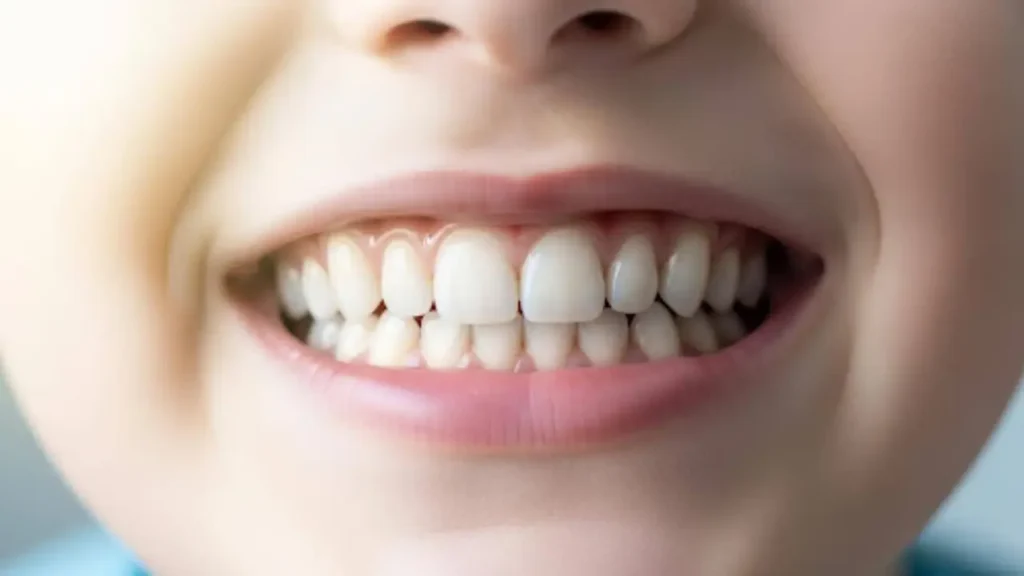
Teeth whitening means using a bleaching agent, usually hydrogen peroxide or carbamide peroxide, to make teeth look brighter and lighter. For adults, this works pretty well when done correctly. But kids’ teeth are a completely different story.
Children have what dentists call “immature enamel.” That’s a fancy way of saying the outer layer of their teeth, the hard protective shell, hasn’t fully hardened yet. Because of this, whitening chemicals can sink in deeper and cause sensitivity, pain, or damage that you can’t reverse. That’s not a trade-off worth making just for cosmetic reasons.
Also, many kids still have a mix of baby teeth and adult teeth coming in at the same time. Whitening products can’t tell the difference between them, so they’d treat both types unevenly, leaving you with teeth that don’t even match in color. Not exactly the result anyone was hoping for.
Why Do Kids' Teeth Look Yellow in the First Place?
This is honestly one of the most common things we hear from parents. Your kid brushes, you make sure of it, so why do their teeth still look a little off? There are actually a few real reasons this happens, and most of them have nothing to do with poor hygiene.

First, new permanent teeth naturally look more yellow compared to baby teeth. The inner layer of the tooth (called the pulp) is bigger in new adult teeth, which makes them appear more yellow. It’s not a hygiene problem at all. It’s just how biology works, and it tends to blend in once all the adult teeth are fully in.
Second, diet plays a much bigger role than most people realize. Foods and drinks like juice, sports drinks, and even so-called “healthy” snacks can stain teeth over time. We covered the biggest culprits in our post on hidden sugar in kids’ food, and some of them might genuinely surprise you.
Third, some yellow or brown staining in kids comes from certain antibiotics taken early in life, or from excess fluoride. That kind of discoloration actually sits inside the tooth, not just on the surface. Whitening products can’t fix that at all, not even the expensive ones. So before you reach for a whitening kit, it’s worth figuring out what’s actually causing the staining in the first place.
Is Teeth Whitening Safe for Kids? Here's the Real Answer
No, not for young kids. The American Academy of Pediatric Dentistry recommends waiting until a child is at least 14 to 16 years old before considering any kind of teeth whitening, and even then, it should only happen under a dentist’s supervision. That’s not being overly cautious; there’s a real reason behind it.
By the mid-teens, most kids have a full set of permanent teeth, and the enamel has had time to develop and harden. At that point, supervised whitening, done carefully and professionally, carries much lower risk. But for younger kids? It’s a hard no from basically the entire dental community.
You might be thinking, “But what about those whitening toothpastes at the grocery store?” Most of those are fine for older teens; they work by removing surface stains, not bleaching the tooth itself. But for young kids, it’s still worth checking with your dentist first. Even mild abrasive agents can wear down softer enamel over time. If you’re curious about what whitening actually does to teeth at any age, our guide on whether dental whitening is safe explains it really clearly.
What We See at Al Dental Studio When Parents Ask About Whitening
Honestly, parents come in all the time, concerned about the color of their child’s teeth. And we get it, you want your kid to feel confident about their smile. That’s a real, valid concern. But when we actually look at most of these cases, the “yellow” teeth are perfectly normal.

New permanent teeth coming in naturally look more yellow next to the remaining white baby teeth. Once all the adult teeth are in and a couple of years have gone by, the color usually evens out on its own. No whitening needed, just time.
What we focus on instead is keeping those teeth healthy and clean. A professional cleaning removes surface buildup, plaque, and light staining without any chemicals or risk. It’s one of the most underrated things you can do for your child’s smile. We also talk through whether dental sealants might make sense to protect their teeth going forward; that’s a much smarter investment at this stage than whitening.
If there’s a deeper staining issue, like discoloration from medication or a specific dental condition, we work through the right fix together. Sometimes, treating an underlying problem like kids’ cavities or tooth decay does more for a child’s smile than any whitening product ever could.
Age Guide: What's Safe When It Comes to Whitening Children's Teeth
Age Group | Teeth Stage | Whitening Safe? | What to Do Instead |
|---|---|---|---|
Under 12 | Mix of baby + adult teeth | No | Professional cleaning, good brushing habits |
12–14 | Most adult teeth are coming in | Usually No | Dental check-up, whitening toothpaste with dentist approval |
14–16 | Most adult teeth are in, and the enamel is maturing | Sometimes, with supervision | Dentist-supervised tray whitening only |
16+ | Full adult teeth, the enamel is more mature | Yes, with the dentist’s guidance | Professional in-office whitening |
How to Actually Improve Kids' Teeth Without Whitening
Here’s the good news: There are real things you can do that actually work and won’t cause any harm. And they work better than whitening kits for most kids anyway.
The single most effective thing? Regular professional cleanings. A dental hygienist can remove surface stains and buildup that regular brushing at home simply can’t touch. Surface stains from food, drinks, and plaque respond really well to a professional clean, and your child walks out with noticeably brighter teeth. No chemicals, no risk, no drama.
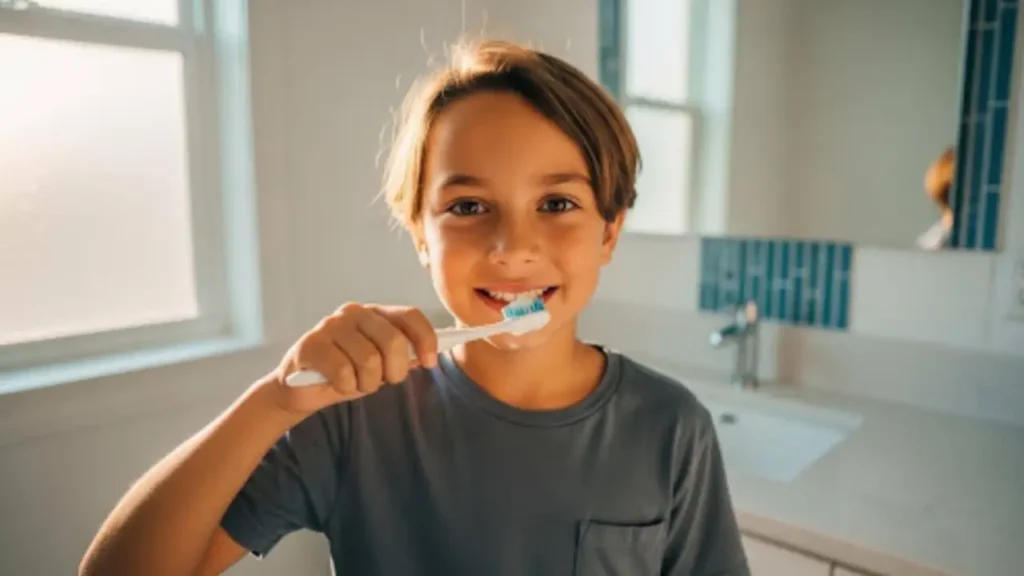
Brushing with a regular fluoride toothpaste twice a day is still the gold standard. Some parents switch to whitening toothpaste thinking it’ll speed things up, but for kids under 14, it’s not worth the extra abrasiveness. Just use a good regular toothpaste and make sure they’re actually brushing for two full minutes. That part’s harder than it sounds.
Diet matters more than most people realize. Cutting back on juice, soda, and acidic snacks, and rinsing with water after meals, makes a real difference over time. And here’s a little NYC bonus: if your family lives in Midtown East, Murray Hill, or the Upper East Side, you’re drinking fluoridated NYC tap water every day. That fluoride naturally strengthens enamel and supports long-term tooth health, even if it doesn’t directly change color.
One more thing worth knowing: if a damaged baby tooth is involved, sometimes the best step is simply having it looked at. A healthy adult tooth coming in afterward will naturally look better. You can learn more about that process in our post on kids’ tooth extraction in NYC; it’s less scary than it sounds, we promise.
A Note for NYC Parents: Upper East Side, Midtown East, and Murray Hill
If you’re bringing your kids to us from the Upper East Side, Midtown East, or Murray Hill, you’re probably the kind of parent who researches things before just trying something. That’s exactly the right move when it comes to kids’ dental health.
NYC parents tend to be proactive, which we love. But “proactive” doesn’t mean trying the first whitening kit you see on Amazon. It means coming in, asking the right questions, and getting an honest answer from someone who actually looks in your child’s mouth. That’s what we do.
For adults in the family who are curious about whitening for themselves, we do offer professional teeth whitening in NYC, and we have practical dental whitening tips for NYC patients if you want to know what to expect going in.
Frequently Asked Questions About Teeth Whitening for Kids
1. Can I use whitening strips on my 10-year-old?
No, that’s not recommended. Whitening strips contain hydrogen peroxide, which can irritate or damage the immature enamel on a young child’s teeth. The American Academy of Pediatric Dentistry advises against any whitening for children under 14, and even then, only with a dentist supervising.
2. My child's new teeth look yellow compared to their baby teeth. Is that normal?
Yes, completely. Permanent teeth naturally have more dentin (the inner layer) than baby teeth, which gives them a more yellow appearance. Once all the baby teeth are gone and the adult teeth are fully in, the difference becomes much less noticeable. It’s biology, not a hygiene problem.
3. What's the best way to whiten kids' teeth naturally?
The most effective approach is professional cleaning plus consistent brushing with fluoride toothpaste twice a day. Drinking plenty of water, reducing staining drinks like juice and soda, and rinsing after meals all help over time, too. These methods are safe, effective, and dentist-approved for all ages.
4. At what age can kids start whitening their teeth?
Most dental experts recommend waiting until age 14 to 16 at the earliest, and only with a dentist’s supervision. By this age, most permanent teeth are in, and enamel is more developed. Even then, professionally supervised whitening is much safer than any at-home store-bought kit.
5. Are whitening toothpastes safe for kids?
They’re generally okay for teens over 14, but for younger kids, regular fluoride toothpaste is the smarter choice. Whitening toothpastes use mild abrasives to remove surface stains, which can be a little too harsh for the developing enamel in younger children. Always check with your dentist if you’re not sure.
6. Can yellow teeth in kids be a sign of something more serious?
Sometimes, yes. Deep discoloration, especially brown, grey, or white spots, can signal early cavities, enamel defects, or past antibiotic use. If you’re worried about the color of your child’s teeth and it doesn’t seem to be normal development, it’s always worth having a dentist take a proper look.
7. Does fluoride in NYC tap water cause yellow teeth?
No, NYC’s tap water contains fluoride within the recommended safe range for dental health, which actually helps strengthen teeth. It doesn’t cause yellowing. Excessive fluoride from supplements taken in early childhood can sometimes cause white or brown spots, but drinking NYC tap water is completely safe and even beneficial for kids’ teeth.
The Bottom Line, And What to Do Next
So here’s the takeaway: teeth whitening for kids isn’t the right move for most children, and it definitely shouldn’t happen without a dentist’s guidance. The good news is you don’t need it. A solid cleaning routine, regular dental visits, and a few smart habits with food and drink can do more for your child’s smile than any whitening kit at the store.
If their teeth still look off after a couple of years of having adult teeth, or if you’re seeing spots or staining that worries you, that’s the time to have a real conversation with a dentist. Not a Google search, not a whitening kit. A real conversation.
If you’re in Midtown East, Murray Hill, or the Upper East Side and want a straight answer about your child’s teeth, not a generic one, we’re here. At Al Dental Studio, we look at what’s actually going on in your child’s mouth and give you honest, practical advice that fits their age and their situation. Book an appointment today, and let’s figure out the right plan together.
Dental Experts, You Can Trust
Medically Reviewed. Last updated on March 14, 2026.
Learn more about our editorial standards.

Dr. Alexander Heifitz (Author)
Dr. Alexander Heifitz is the founder of AL Dental Studio in NYC, where he combines advanced dental expertise with a patient-first approach. He specializes in cosmetic and restorative treatments such as dental implants, veneers, Invisalign, and smile makeovers, helping New Yorkers achieve both oral health and confidence.

Book An Appointment
Looking for a reliable dentist in Upper East NYC? Whether you need a routine cleaning, urgent care, or a full smile transformation, we’ve got you covered. We accept most PPO insurance plans and offer flexible scheduling.
+1 (212) 430-3888
Call for appointment
Walk-ins Welcome / Same-Day Appointments Available

Related Blogs
Boutique Dental Studio vs. Corporate Dental Chain: For UES Patients?
Written by Dr. Alexander Heifitz, Founder of AL Dental Studio | Medically Reviewed. Last updated on July 06, 2026.
Read More
Dental Implants Near Lenox Hill NYC: What Upper East Side Patients Need to Know
Written by Dr. Alexander Heifitz, Founder of AL Dental Studio | Medically Reviewed. Last updated on July 03, 2026.
Read More