
What Happens During a Dental Cleaning?


A dental cleaning is a routine preventive visit that helps remove plaque and tartar that regular brushing and flossing cannot completely remove at home.
If you are visiting a dentist in the Upper East Side or Midtown Manhattan, you may wonder what actually happens during the appointment. Does the hygienist take X-rays? Will the cleaning hurt? How long does it take? What is the difference between a regular cleaning and a deep cleaning?
Quick Answer: What Happens During a Dental Cleaning?
A typical dental cleaning may include:
- Reviewing your dental and medical history
- Examining your teeth and gums
- Taking X-rays when clinically needed
- Measuring gum health when appropriate
- Removing plaque and tartar
- Polishing the teeth
- Flossing and rinsing
- Discussing preventive care and any recommended treatment
A routine cleaning appointment often takes about 45 to 60 minutes, although the exact time depends on your oral health, the amount of tartar present, and whether your appointment includes an exam or X-rays.
Your appointment may not follow the exact same order every time. The process can vary based on your dental history and the condition of your teeth and gums.
Step 1: Your Dental History Is Reviewed
Before treatment begins, the dental team may ask about your current oral health and any changes since your last visit.
You may be asked about:
- Tooth pain or sensitivity
- Bleeding gums
- Recent dental treatment
- Changes in your medical history
- Medications
- Dental anxiety
- Any concerns about your teeth or gums
This information helps the dental team understand your current needs and plan the right type of care.
For example, a patient with healthy gums may need a routine preventive cleaning. A patient with heavy tartar buildup, gum inflammation, or deeper gum pockets may need a more detailed periodontal evaluation.
Step 2: Your Teeth and Gums Are Examined
The dentist or hygienist will examine your mouth using dental instruments and a small mirror.
The examination may look for:
- Plaque buildup
- Tartar, also called calculus
- Red or swollen gums
- Bleeding
- Tooth decay
- Worn or damaged teeth
- Gum recession
- Problems around fillings, crowns, or other dental work
The goal is to understand your oral health before deciding what type of cleaning or treatment is appropriate.
Does Everyone Need the Same Type of Cleaning?
No.
Some patients have healthy gums and need a routine preventive cleaning. Others may have signs of gum disease or significant tartar buildup that require a different treatment approach.
Your dental professional will evaluate your oral health rather than assuming that every patient needs the same procedure.
Step 3: X-Rays May Be Taken When Needed
X-rays are not necessarily required during every dental cleaning.
Your dentist may recommend updated dental X-rays based on factors such as:
- When your last X-rays were taken
- Your dental history
- Your age
- Symptoms or pain
- Risk of tooth decay
- Suspected problems below the gumline
- Previous dental treatment
Digital dental X-rays can help identify problems that cannot be seen during a visual examination.
Depending on the type of X-ray taken, they may help detect:
- Cavities between teeth
- Problems around tooth roots
- Bone changes associated with periodontal disease
- Impacted teeth
- Dental infections
- Problems beneath existing restorations
If you recently had X-rays at another dental office, your dentist may be able to review those records instead of repeating them.
Step 4: Your Gum Health May Be Checked
Your dental team may evaluate the spaces between your teeth and gums. These spaces are called periodontal pockets.
A small instrument called a periodontal probe may be used to gently measure the depth of these areas.
What Do Gum Pocket Measurements Mean?
In general:
- 1-3 mm: Commonly associated with healthy gum tissue when there is no significant bleeding or other evidence of disease.
- 4 mm: May indicate inflammation or another periodontal concern and should be evaluated along with other findings.
- 5 mm or deeper: May indicate periodontal disease, particularly when accompanied by attachment loss or bone loss.
Pocket depth alone does not diagnose gum disease.
Your dentist considers several factors, including:
- Bleeding during probing
- Gum recession
- Clinical attachment loss
- Bone loss on X-rays
- Tooth mobility
- The patient’s periodontal history
This evaluation helps determine whether a routine cleaning is appropriate or whether periodontal treatment may be recommended.
Step 5: Plaque and Tartar Are Removed
The main part of a professional cleaning is the removal of plaque and tartar.
What Is Plaque?
Plaque is a sticky film containing bacteria that constantly forms on your teeth.
If plaque remains on your teeth for too long, it can affect your teeth and gums.
- Tooth decay
- Bad breath
- Gum inflammation
- Gum disease
What Is Tartar?
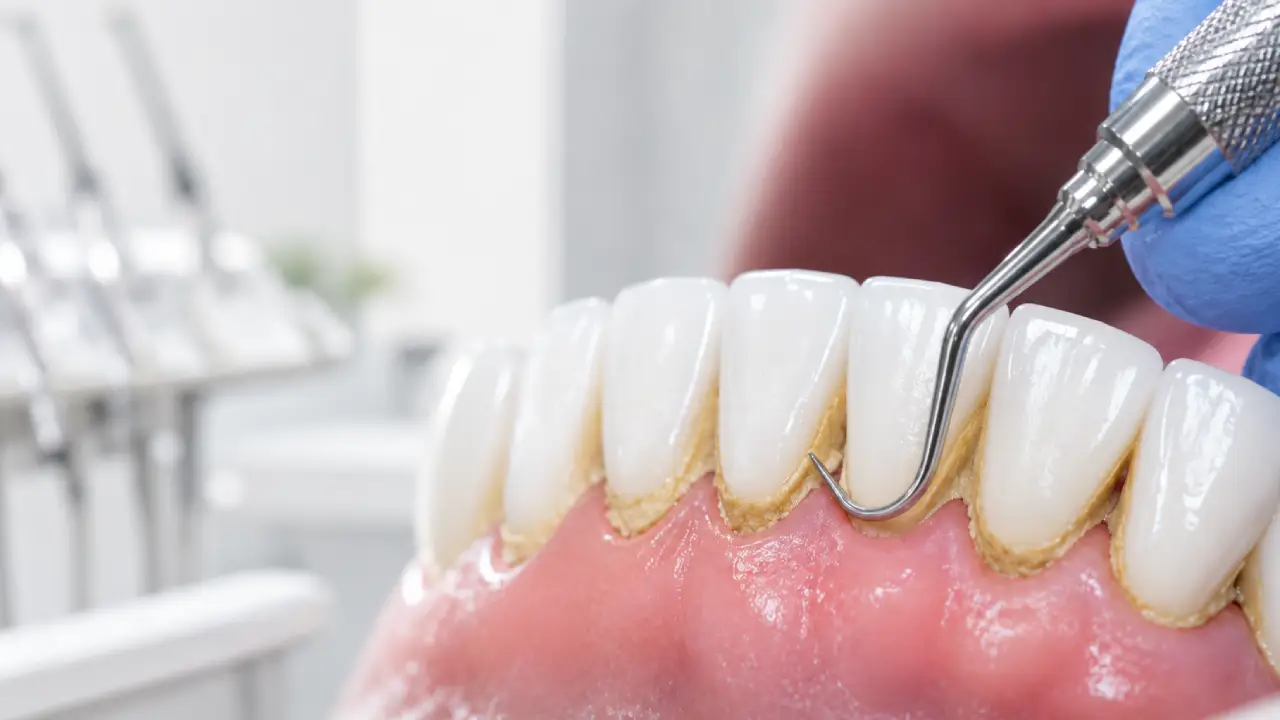
Tartar, also called calculus, is hardened plaque.
Once plaque becomes mineralized, it cannot be completely removed with a regular toothbrush at home. A dental professional must use specialized instruments to remove it safely.
Ultrasonic Scaling
An ultrasonic scaler may be used to help remove tartar.
The instrument uses high-frequency vibrations and water to break up deposits and wash away debris.
You may feel:
- Vibration
- Water spray
- Mild pressure
- Occasional sensitivity
The sensation can feel unusual, but many patients tolerate ultrasonic scaling comfortably.
Hand Scaling
Your hygienist may also use handheld dental tools to remove any remaining buildup.
Hand scaling can help clean areas that require careful, precise work, including:
- Along the gumline
- Between teeth
- Around dental restorations
- Areas that are difficult to reach with an ultrasonic instrument
The tools and techniques used depend on the amount and location of tartar.
Step 6: Your Teeth May Be Polished
After tartar is removed, your teeth may be polished using a rotating rubber cup and professional polishing paste.
Polishing can help remove some surface stains caused by substances such as:
- Coffee
- Tea
- Red wine
- Tobacco
This is called extrinsic stain removal, meaning the stains are on the outside surface of the teeth.
A dental cleaning is not the same as professional teeth whitening. Cleaning can remove certain surface stains, but it does not change the natural internal color of the teeth in the same way that a whitening treatment can.
After polishing, many patients notice that their teeth feel smoother.
Step 7: Your Teeth Are Flossed and Rinsed
After scaling and polishing, your dental hygienist may floss between your teeth.
This helps:
- Remove remaining debris
- Clear away polishing paste
- Check the contact areas between teeth
- Identify areas where food or plaque tends to collect
Your hygienist may also notice whether a filling, crown, or other restoration has a rough edge that makes flossing difficult.
The mouth may then be rinsed to remove remaining debris.
Step 8: Fluoride May Be Recommended
Some patients may benefit from professional fluoride treatment after a cleaning.
Fluoride can help strengthen tooth enamel and may help reduce the risk of tooth decay and sensitivity in appropriate patients.
Fluoride treatment may be especially useful for patients with factors such as:
- A higher risk of cavities
- Tooth sensitivity
- Exposed root surfaces
- Enamel weakness
- Certain dry-mouth conditions
Fluoride is not automatically necessary for every adult patient.
If fluoride varnish is applied, your dentist or hygienist will provide instructions based on the specific product used. These instructions may include guidance about eating, drinking, brushing, and flossing after treatment.
Step 9: Your Dentist May Review Your Oral Health
Depending on the type of appointment, your dentist may perform or review a clinical examination.
This may include discussing:
- Areas of concern
- Existing dental restorations
- Signs of tooth decay
- Gum health
- Tooth sensitivity
- Recommended preventive care
If additional treatment is needed, your dental team should explain why it is recommended and what treatment options are available.
A cleaning appointment is also a good time to ask questions about your oral health.
How Long Does a Dental Cleaning Take?
A routine dental cleaning commonly takes approximately 45 to 60 minutes.
The appointment may be shorter or longer depending on:
- The amount of plaque and tartar
- Your gum health
- Whether X-rays are needed
- Whether a dental examination is included
- The number of services scheduled during the visit
A patient with healthy gums and limited tartar may have a relatively straightforward appointment.
A patient with significant buildup or periodontal concerns may require additional evaluation or a different type of treatment.
Does a Dental Cleaning Hurt?
Most routine dental cleanings are comfortable, although you may feel some pressure, vibration, water spray, mild sensitivity, or slight gum tenderness during the appointment. Some patients may feel more sensitivity if they have inflamed gums, receding gums, exposed tooth roots, heavy tartar buildup, or naturally sensitive teeth.
If you feel uncomfortable during your cleaning, tell your hygienist so the technique can be adjusted to help make the appointment more comfortable. While every cleaning may not be completely painless, your dental team can adjust your care based on your individual needs.
Standard Dental Cleaning vs. Deep Cleaning
A routine preventive cleaning and a deep cleaning are not the same treatment.
| Feature | Routine Preventive Cleaning | Scaling and Root Planing |
| Main purpose | Maintain oral health and prevent disease | Treat periodontal disease |
| Typical area | Mainly visible tooth surfaces and the gumline | Deeper areas below the gumline |
| Common reason | Healthy or generally stable gums | Periodontal disease with deeper infected areas |
| Anesthesia | May not be needed | Local anesthesia is commonly used |
| Treatment approach | Removal of plaque and tartar | Removal of deposits and bacteria from deeper areas of the tooth and root surfaces |
A deep cleaning is not simply a longer version of a routine cleaning.
Your dentist determines whether periodontal treatment is appropriate based on your clinical examination and other findings.
Can I Get a Dental Cleaning If My Gums Bleed?
Yes, but bleeding gums should not be ignored.
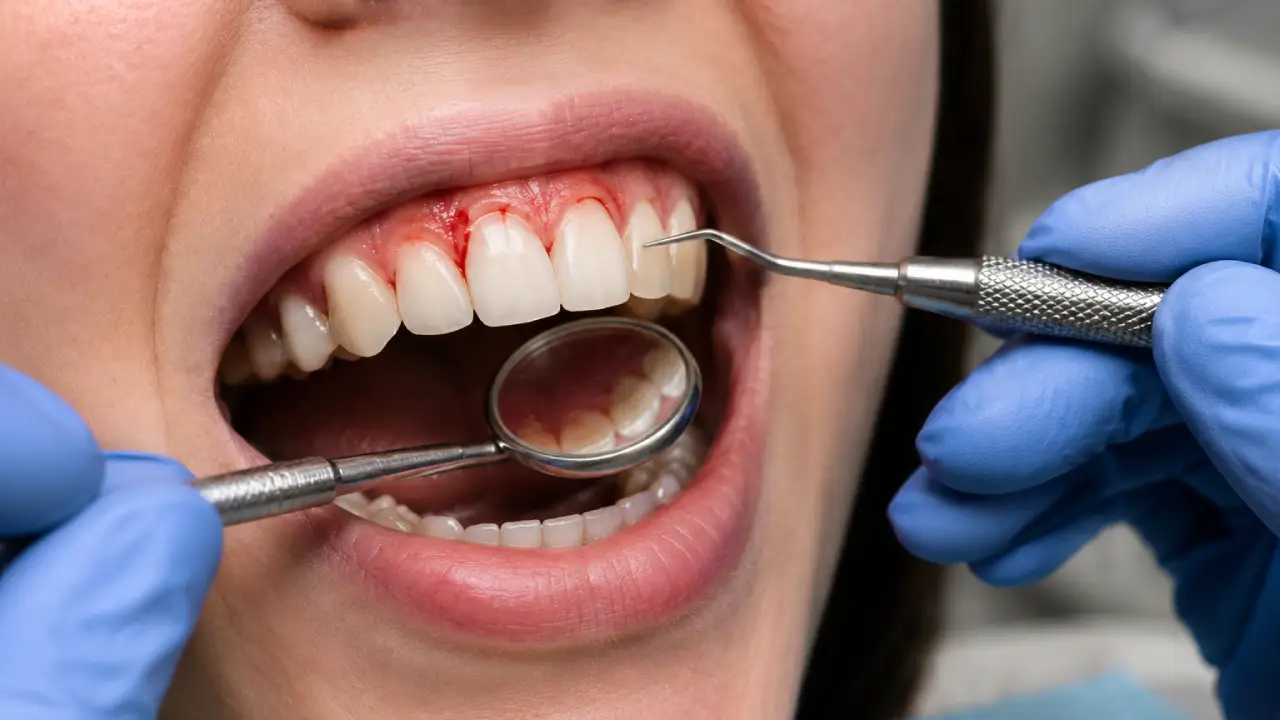
Bleeding may be related to:
- Plaque buildup
- Gum inflammation
- Gingivitis
- Periodontal disease
- Aggressive brushing
- Other oral health factors
Your dental professional can evaluate the cause of the bleeding and determine the appropriate treatment.
If your gums bleed regularly when brushing or flossing, mention it during your dental appointment.
What Should I Do Before a Dental Cleaning?
For most routine cleanings, you can generally follow your normal routine.
Before your appointment:
- Brush and floss as usual.
- Eat normally unless your dental office gives you different instructions.
- Bring updated insurance information if needed.
- Tell your dental team about tooth sensitivity.
- Mention any dental anxiety or concerns.
- Inform the dental office about relevant changes to your medical history.
You do not need to aggressively brush or floss immediately before your appointment.
Your dental team expects to examine your mouth as it is.

What Happens After a Dental Cleaning?
After a routine cleaning, your teeth may feel:
- Smoother
- Cleaner
- Less coated
- More sensitive for a short time in some cases
Some patients may experience mild gum tenderness, especially if there was significant inflammation or tartar buildup.
If your teeth are sensitive after the appointment, you may want to avoid very hot or very cold foods and drinks temporarily.
Your dental professional will provide specific instructions if you receive additional treatment such as fluoride or periodontal therapy.
How Much Does a Dental Cleaning Cost in NYC?
A routine dental cleaning in New York City usually costs about $120 to $250 without insurance.
A new patient visit that includes a cleaning, dental exam, and X-rays may cost around $300 to $450, depending on the dental office and the services you need. A deep cleaning for gum disease usually costs more because it requires additional treatment.
The final cost depends on the dental office and what your visit includes. Dental insurance may cover some or all of the cost, but coverage varies by plan. Your dental office can help check your benefits, but your insurance company determines your final cost.
Dental Cleaning in the Upper East Side, NYC
If you are looking for preventive dental care near the Upper East Side, Midtown East, or East 60th Street, AL Dental Studio provides personalized dental care for patients in Manhattan.
A routine dental visit may include a professional cleaning, an oral health evaluation, X-rays when clinically appropriate, and personalized recommendations based on your dental needs.
The exact process depends on your individual oral health.
Schedule Your Dental Cleaning in Manhattan
Lorem ipsum dolor sit amet, consectetur adipiscing elit. Ut elit tellus, luctu
Regular professional cleanings can help remove plaque and tartar that daily brushing and flossing cannot completely remove.
If you need a routine dental cleaning or want to discuss your gum health, contact AL Dental Studio to schedule an appointment.
AL Dental Studio
30 East 60th Street, Suite 608
New York, NY 10022
Phone: (212) 430-3888
Frequently Asked Questions
1. How long does a dental cleaning take?
A routine dental cleaning commonly takes about 45 to 60 minutes, although the exact time depends on your oral health and the services included in the appointment.
2. Do I need X-rays during every dental cleaning?
No. X-rays are recommended based on your dental history, symptoms, risk factors, and when your previous X-rays were taken.
3. What is the difference between a regular cleaning and a deep cleaning?
A regular cleaning is preventive care for maintaining oral health. Scaling and root planing is a periodontal treatment used to clean deeper areas below the gumline when periodontal disease is present.
4. Do dental cleanings make teeth whiter?
A cleaning can remove some surface stains caused by coffee, tea, red wine, and other substances. It is not the same as professional teeth whitening.
5. Can I eat after a dental cleaning?
In most cases, you can eat after a routine cleaning. If you receive fluoride or another treatment, follow the specific instructions provided by your dental team.
6. Why do my gums bleed during a cleaning?
Bleeding may be related to plaque buildup, gum inflammation, gingivitis, periodontal disease, or other factors. Your dental professional can evaluate the cause.
7. Can a dental cleaning remove all tartar?
A routine cleaning can remove tartar that can be safely reached with professional instruments. Deeper deposits associated with periodontal disease may require periodontal treatment.
Dental Experts, You Can Trust
Medically Reviewed. Last updated on July 22, 2026.
Learn more about our editorial standards.

Dr. Alexander Heifitz (Author)
Dr. Alexander Heifitz is the founder of AL Dental Studio in NYC, where he combines advanced dental expertise with a patient-first approach. He specializes in cosmetic and restorative treatments such as dental implants, veneers, Invisalign, and smile makeovers, helping New Yorkers achieve both oral health and confidence.

Book An Appointment
Looking for a reliable dentist in Upper East NYC? Whether you need a routine cleaning, urgent care, or a full smile transformation, we’ve got you covered. We accept most PPO insurance plans and offer flexible scheduling.
+1 (212) 430-3888
Call for appointment
Walk-ins Welcome / Same-Day Appointments Available

Related Blogs
A Complete Guide to Night Guards: Types, Costs, and Effectiveness
Written by Dr. Alexander Heifitz, Founder of AL Dental Studio | Medically Reviewed. Last updated on April 30 2026.
Read More
Causes & Treatments for Kids’ Cavities
Written by Dr. Alexander Heifitz, Founder of AL Dental Studio | Medically Reviewed. Last updated on April 9, 2026.
Read More