
Is Teeth Whitening Safe? A Dentist Explains What’s Real and What’s Not


Yes, teeth whitening is safe. That’s the short answer. But let’s actually talk about why it’s safe, what could go wrong if you do it wrong, and what nobody really tells you before you grab that whitening strip off the shelf.
A lot of people come in with the same fear. They’ve read something online about enamel damage, or their friend had a bad experience with a kit from the drugstore, and now they’re not sure if whitening is even worth trying. Honestly, that fear makes sense, your teeth are not replaceable. You want to be careful. But most of what you’ve heard is either outdated or just plain wrong.
So let’s go through it all. What actually happens when you whiten your teeth, what the real risks are, and how to do it in a way that actually works.
How Does Teeth Whitening Actually Work?
Think about a stain on your favorite white shirt. Now imagine a cleaning product that breaks down that stain at a chemical level until it just … fades. That’s basically what happens to your teeth.
Most whitening products, whether you buy them at the store or get them from a dentist, use something called hydrogen peroxide or carbamide peroxide. These are bleaching agents. They go into the enamel (the outer layer of your tooth) and break apart the colored molecules that are causing the stain. Once those molecules are broken down, the stain gets lighter. That’s it.
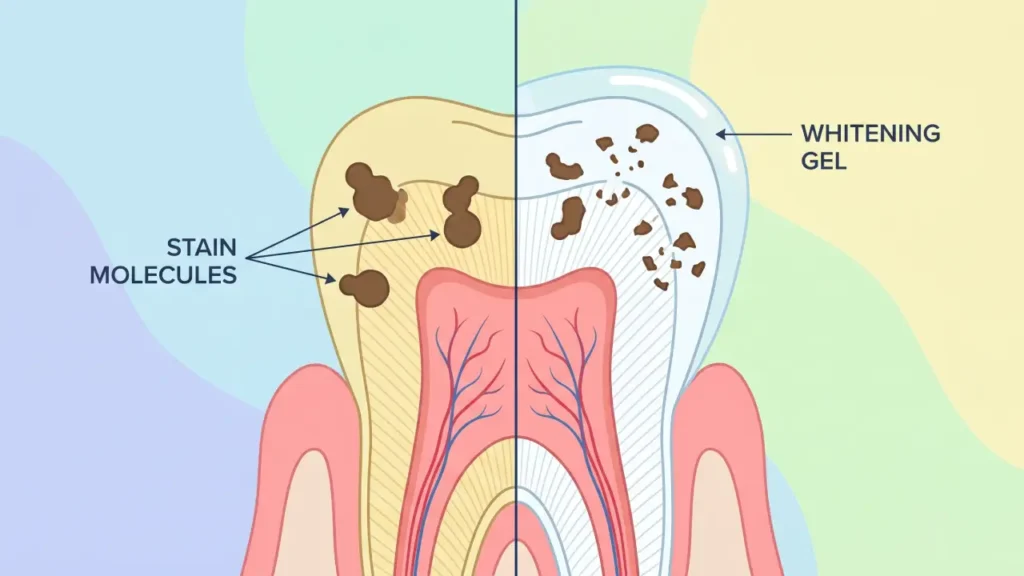
The difference between a professional treatment and a store-bought kit is mostly the concentration. At-home OTC products typically contain 3-20% peroxide. Professional in-office treatments can go up to 35-43%. That’s why professional results happen faster, and why going in-office is worth it if you want real change. If you want to understand your full range of options, here’s a breakdown of the best ways to whiten your teeth that’s worth reading alongside this.
Is It Really Safe for Your Enamel? (The #1 Fear People Have)
This is the question we get more than any other. And the worry makes total sense, because once enamel is gone, it doesn’t grow back. So let’s be straight with you.
When whitening is done properly, either professionally or with an ADA-approved product used as directed, it does not strip or damage your enamel. What it does is temporarily dehydrate the teeth a little, which is why some people feel sensitivity right after. That feeling goes away on its own, usually within 24 to 48 hours. The enamel itself is fine.
The only situation where enamel actually gets damaged is when someone overuses whitening products, leaves them on way too long, or uses harsh DIY methods that don’t belong anywhere near teeth. Think lemon juice. Think high-concentration charcoal powders. Those things are abrasive or acidic, and they absolutely can wear down enamel over time. But that’s not whitening, that’s misuse.
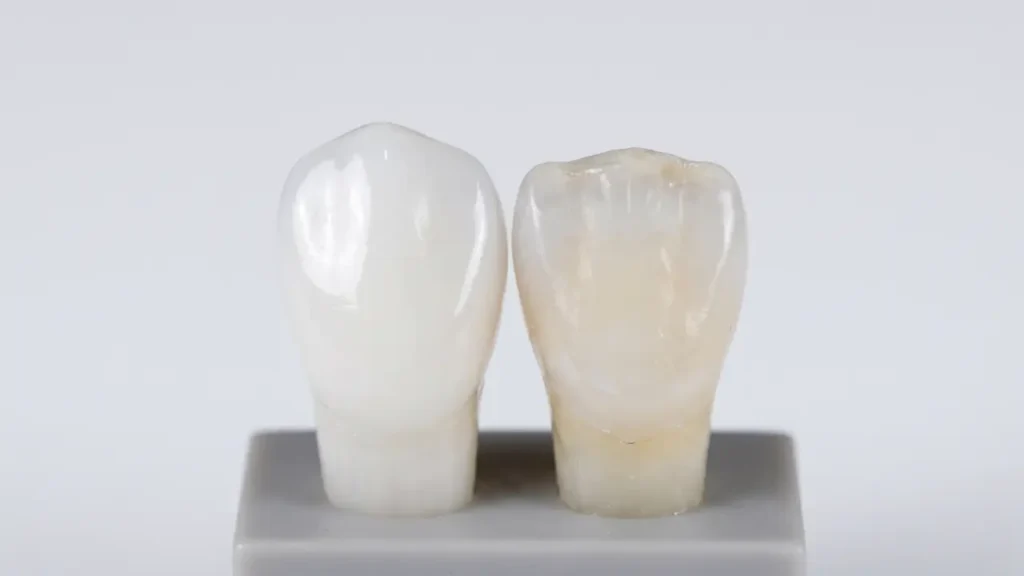
One more thing worth knowing: if you whiten too often without breaks, your teeth can start to look translucent or bluish instead of white. That happens when the enamel gets too dehydrated, and the dentin underneath (which is naturally yellowish) starts to show through. Nobody wants that. So moderation really does matter.
What Are the Side Effects?
The most common thing people experience is tooth sensitivity, a zingy, sharp feeling when you eat or drink something hot or cold right after whitening. It’s uncomfortable, but it’s temporary. Most people are back to normal within a day or two.
The second thing is gum irritation. This usually happens when the whitening gel touches your gums instead of just your teeth, which is why professionally fitted trays are so much better than generic one-size strips. When the tray fits right, the gel stays where it belongs.
If you already have sensitive teeth, don’t assume whitening is off the table. It’s actually still possible; you just need to prepare a bit. Using a desensitizing toothpaste that contains potassium nitrate for a week before you start can make a big difference. It works by calming the nerve endings in your teeth. Some patients also use a night guard during take-home whitening to keep the tray stable and reduce contact with gum tissue. It’s a small step, but it helps.
One more thing: if you have fluoride treatments as part of your regular dental routine, let your dentist know before you whiten. They can time things properly so both treatments actually benefit you.
Yellow Teeth vs. Gray Teeth: Whitening Doesn’t Work the Same for Both
This is something a lot of people don’t know until they’ve already spent money on a whitening kit and gotten disappointing results. Here’s the thing: not all tooth discoloration is the same, and whitening only targets certain kinds.
Yellow staining, the kind that builds up from coffee, tea, red wine, or just aging, responds really well to whitening. That’s what peroxide-based treatments were made for. Brown staining can respond, but it tends to be slower and less dramatic. Gray or blue-tinted discoloration, though, is a different story. That kind often comes from inside the tooth, either from old antibiotics like tetracycline, a tooth injury, or certain medications, and whitening products usually can’t reach it.
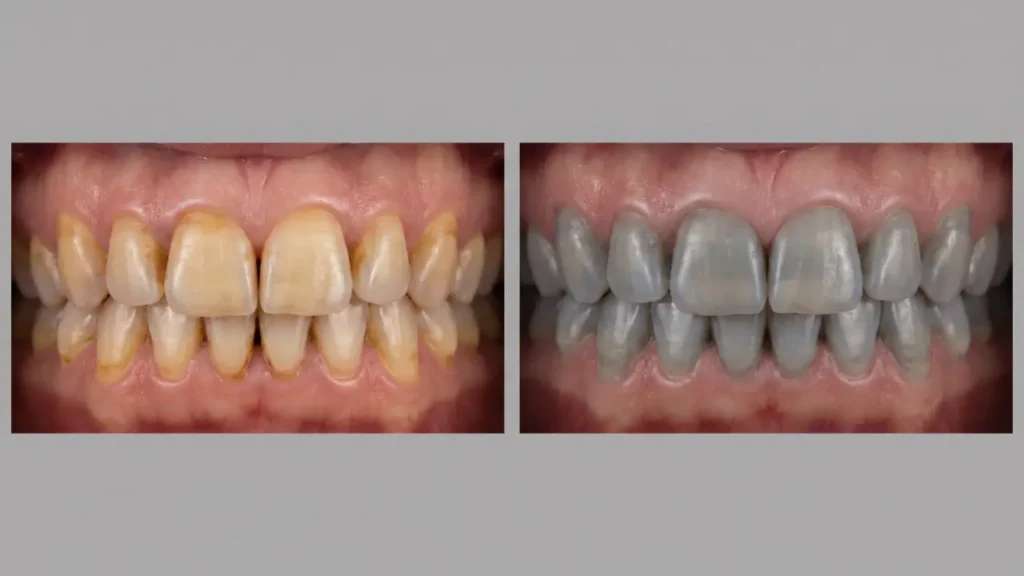
So before you start any whitening routine, it’s worth knowing what type of staining you actually have. If it’s external (from food, drinks, or aging), whitening will likely work great. If it’s internal, your dentist might recommend other options like veneers instead. You can also read about veneers vs. bonding to see which option might make more sense for your situation.
Professional Whitening vs. Store-Bought: What’s Actually the Difference?
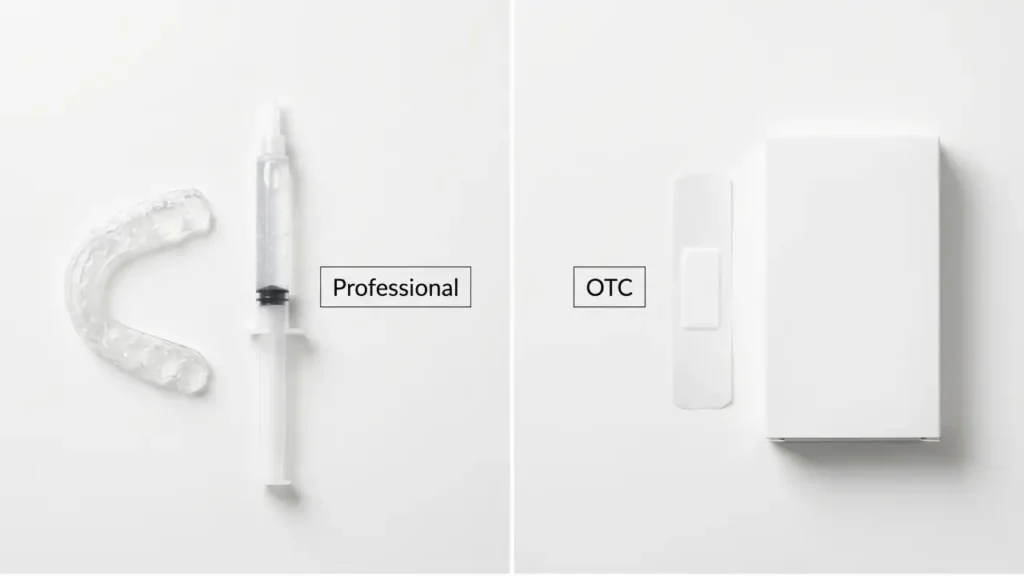
Both use peroxide. Both can work. But the gap in results is real, and it mostly comes down to three things: concentration, fit, and control.
In-Office Whitening
This is the strongest option. In-office treatments use 15–43% hydrogen peroxide and are applied directly by a dentist who monitors the whole thing. Your gums are protected with a barrier gel before anything even touches your teeth. Results usually show up in a single 60–90 minute session. It’s the fastest and most controlled way to whiten, which is why people who want a real change usually go this route.
Custom Take-Home Kits from Your Dentist
These are professionally made trays that are molded specifically to your teeth. You fill them with a professional-grade whitening gel and wear them at home for a week or two. Because the tray fits exactly right, the gel stays on your teeth and off your gums. This is a great middle-ground option, stronger than anything you’d buy off the shelf, but at your own pace.
Over-the-Counter Strips and Gels
These work, just more slowly and less evenly. The peroxide concentration is lower (usually 3–10%), and the strips or trays are made for the average mouth, not yours specifically. That means uneven application is common, and gum irritation is more likely. They’re fine for maintenance once you’ve already whitened, but they’re not the best starting point if your teeth are noticeably discolored.
If you want to explore what a professional whitening visit actually involves at our NYC office, you can learn more about teeth whitening in NYC here.
DIY Methods: What the Evidence Actually Says
Every few months, a new “natural” whitening hack goes viral. Charcoal powder, lemon juice, coconut oil pulling, turmeric, and hydrogen peroxide from the medicine cabinet. People try them because they sound safe, natural, cheap, and chemical-free. But honestly? Most of them either don’t work or actively hurt your teeth.
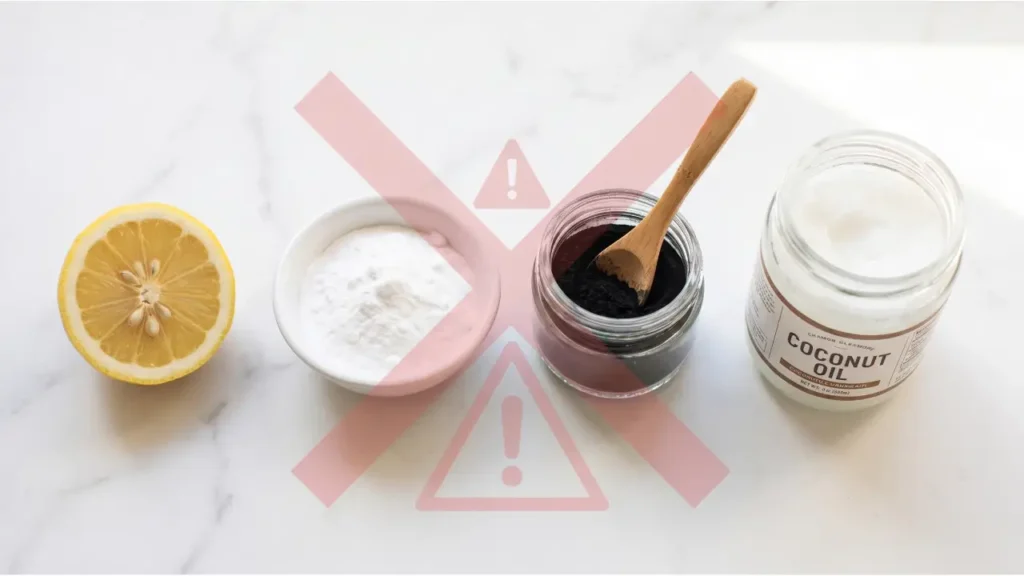
Lemon juice and apple cider vinegar are acidic. They can soften and slowly erode enamel over time, making your teeth weaker and more vulnerable to decay. Baking soda is abrasive. Used occasionally, it can help scrub surface stains. Used regularly, it wears down the enamel surface. There’s actually a full explainer on whether baking soda whitens teeth if you want the full picture on that one.
Activated charcoal is a big one right now. The American Dental Association has specifically looked at this and found there’s no reliable evidence that charcoal products effectively whiten teeth, and some formulas are too abrasive to be safe for regular use. As for oil pulling with coconut oil: there’s no credible research showing it whitens teeth at all.
The hydrogen peroxide in your medicine cabinet is also a no. The concentration is not formulated for dental use, and applying it directly to your gums and teeth without any control is risky. Whitening products are specifically formulated to work safely in the mouth. A bottle from the pharmacy is not the same thing.
Who Should NOT Whiten Their Teeth?
Whitening is not for everyone, and knowing when to hold off is just as important as knowing how to do it right.
If you have active gum disease, that needs to be treated first. Putting bleaching agents on already-irritated, inflamed gums will make things worse. The same goes for untreated cavities, peroxide can get through a cavity and irritate the nerve, which is extremely painful and totally avoidable.
If you have dental crowns, veneers, or tooth-colored fillings, whitening won’t change their color. Your natural teeth will whiten, but those restorations stay the same shade they already are. That can create a mismatch that looks worse than the original. Your dentist can help you plan around that.
Pregnant or nursing? Most dentists recommend just waiting. There’s no strong evidence that whitening is harmful during pregnancy, but there’s also not enough research to say it’s completely fine, so it’s safer to hold off. Same with teenagers under 14–16. Their enamel is still maturing, and whitening during that window can cause more sensitivity than it should. Once the enamel is fully developed, there are specific whitening options designed for younger patients that are much gentler.
How Often Is It Safe to Whiten?
This is where most people go wrong. More whitening does not mean whiter teeth; past a certain point, it means damage. Here’s a practical guide.
For in-office professional treatments, once every 6 to 12 months is typically enough. These are powerful, and your teeth need time to remineralize between sessions. For dentist-prescribed take-home kits: follow whatever schedule your dentist gives you, because it’s tailored to your specific enamel. For OTC strips: one round every few months (usually a 10–14 day cycle), and then stop. Don’t keep using them past the point where you’re happy with your results.
A good professional cleaning before you start any whitening routine makes a big difference, too it removes the surface buildup that can actually block the whitening gel from working. Here’s what a professional dental cleaning actually involves, step by step, if you’re not sure what to expect.
Signs You Should Stop Whitening Right Away
Most people whiten without any real problems. But if any of these show up, stop and call your dentist before continuing.
White or pale patches along the gumline after whitening are a sign of chemical irritation, meaning the gel is touching gum tissue it shouldn’t be. Sensitivity that lasts longer than three to four days, or that keeps getting worse with each session, means you’re overdoing it, and your teeth need a break. If you notice your teeth starting to look slightly blue or translucent instead of white, that’s a sign you’ve dehydrated the enamel too much. Spotty or patchy results (some teeth whiter than others) usually mean the tray or strips aren’t making proper contact.
None of these means you can never whiten again. They just mean your current approach needs adjusting, and a dentist can help figure out what that adjustment should be. Check out our NYC whitening tips for some specific guidance on maintaining results without overdoing it.
What to Ask Your Dentist Before You Whiten
Before any whitening, professional or at home, it’s worth having a quick conversation with your dentist. Here are the questions that actually matter.
Is my enamel in good enough condition to whiten? If your enamel is already thin or worn, you need to know that before you apply any bleaching agent.
What type of discoloration do I have? Yellow staining and gray staining need different approaches. Your dentist can look at your teeth and tell you which category you fall into, saving you money and disappointment.
Will whitening affect my existing dental work? Crowns, veneers, bonding, none of it whitens. Your dentist can help you figure out if your smile will look even or uneven after whitening.
Should I use a desensitizing product first? If you’re prone to sensitivity, a dentist can recommend specific pre-whitening steps that make the whole experience more comfortable.
If you haven’t had a checkup recently, it makes sense to schedule a dental cleaning and exam before you start. You want to know your teeth are healthy before applying any bleaching agents. Think of it as prep work, and it makes the whitening more effective, too.
The Bottom Line
Teeth whitening is safe. Not in a “it’s fine if you don’t ask too many questions” kind of way, but genuinely, consistently, backed by decades of dental research, safe. The key is doing it with the right product, the right concentration, and the right frequency. Skip the viral hacks. Skip the DIY experiments. And if you’re not sure where to start, start with your dentist.
At AL Dental Studio, we see patients every week who thought whitening wasn’t for them, either because of sensitivity, past bad experiences with drugstore kits, or concerns about their existing dental work. Most of the time, there’s a path forward. We just need to look at what’s actually going on in your mouth first.
If you’re in NYC and want to find out which whitening option makes sense for your teeth, our cosmetic dentistry team is here to help.
FAQs
1. Does teeth whitening actually damage your enamel?
No, not when it’s done right. Whitening temporarily dehydrates your enamel, which is why some people feel sensitivity after. But the enamel itself stays intact. Damage only happens when someone overuses products or tries harsh DIY methods like lemon juice or charcoal. Stick to dentist-approved options, and your enamel is fine.
2. How often is it safe to whiten your teeth?
In-office treatment: once every 6–12 months. Dentist take-home kits: follow whatever schedule your dentist gives you. OTC strips: one cycle every few months, no more than 14 days per round. The rule is simple: once you hit your goal shade, stop. Whitening past that point doesn’t make teeth whiter. It just increases risk.
3. Is professional whitening safer than store-bought strips?
Yes, and the gap is real. Professional trays are custom-fitted to your teeth, so the gel stays off your gums. Strips are one-size-fits-all, uneven contact, higher chance of gum irritation. Professional treatments also use stronger concentrations with a dentist monitoring everything. Better results, less guesswork.
4. Can teeth whitening cause permanent damage?
Only through serious overuse. Normal whitening, done as directed with proper breaks, doesn’t cause permanent damage. Your saliva naturally remineralizes enamel between sessions. Problems show up when people whiten too often without stopping. A fluoride toothpaste between treatments helps keep enamel strong.
5. Why do my teeth hurt after whitening?
That’s sensitivity, and it’s very normal. Peroxide slightly dehydrates the tooth and temporarily makes nerve endings more reactive to heat and cold. It goes away within 24–48 hours for most people. If it lasts longer than 3–4 days or keeps getting worse each session, space your treatments further apart or switch to a milder product. A toothpaste with potassium nitrate helps calm it down between sessions.
6. Is teeth whitening safe during pregnancy?
Most dentists say wait. It’s not that whitening is proven harmful; it’s that there’s not enough research on it during pregnancy to confidently say it’s fine. On top of that, hormonal changes make gums more sensitive anyway, so the experience is often more uncomfortable. The smart call is to hold off and whiten after delivery.
7. Will whitening work on my crowns, veneers, or fillings?
No. Whitening only works on natural enamel. Crowns, veneers, bonding, and composite fillings don’t respond to bleaching agents at all. So your natural teeth will brighten, but your restorations stay the same shade, which can create a noticeable mismatch on front teeth. Talk to your dentist before you start whitening if you have any existing dental work.
Dental Experts, You Can Trust
Medically Reviewed. Last updated on May 5, 2026.
Learn more about our editorial standards.

Dr. Alexander Heifitz (DDS)
Dr. Alexander Heifitz is the founder of AL Dental Studio in NYC, where he combines advanced dental expertise with a patient-first approach. He specializes in cosmetic and restorative treatments such as dental implants, veneers, Invisalign, and smile makeovers, helping New Yorkers achieve both oral health and confidence.

Book An Appointment
Looking for a reliable dentist in Upper East NYC? Whether you need a routine cleaning, urgent care, or a full smile transformation, we’ve got you covered. We accept most PPO insurance plans and offer flexible scheduling.
+1 (212) 430-3888
Call for appointment
Walk-ins Welcome / Same-Day Appointments Available

Related Blogs
In-Office vs At-Home Teeth Whitening in NYC
Written by Dr. Alexander Heifitz, Founder of AL Dental Studio | Medically Reviewed. Last updated on February 17, 2026.
Read More
Swollen or Inflamed Taste Buds on Tongue | Symptoms, Do’s & Don’ts
Written by Dr. Alexander Heifitz, Founder of AL Dental Studio | Medically Reviewed. Last updated on June 3, 2026.
Read More