
A Complete Guide to Night Guards: Types, Costs, and Effectiveness


Teeth grinding at night, which dentists call bruxism, is way more common than people think. A lot of folks don’t even know they’re doing it. You’re asleep, after all. Most people only find out when a partner says something, or they wake up with a sore jaw, wondering what happened. If this sounds like you, you’re definitely not alone; studies suggest up to 31% of adults grind their teeth at some point.
So what causes it? Grinding can start because of stress or anxiety. Sometimes it’s how your teeth fit together when you bite; a misaligned bite puts uneven pressure on your jaw during sleep. Sleep disorders, certain medications (like antidepressants and stimulants), and even caffeine can all play a role, too.
Left untreated, bruxism slowly chips away at your enamel, wears down tooth surfaces, and can lead to painful TMJ (jaw joint) problems. That’s where a night guard comes in, a small dental appliance you wear while you sleep to protect your teeth and relieve pressure on your jaw.
Protective Night Guard Solutions in Upper East NYC for Healthy Teeth
Book an appointment with our expert night guard specialists in Upper East NYC.
Types of Night Guards
Not all night guards are the same. They mostly fall into two main categories: Over-the-Counter (OTC) guards and Custom-Made guards. Knowing the difference will help you choose the one that’s right for you.
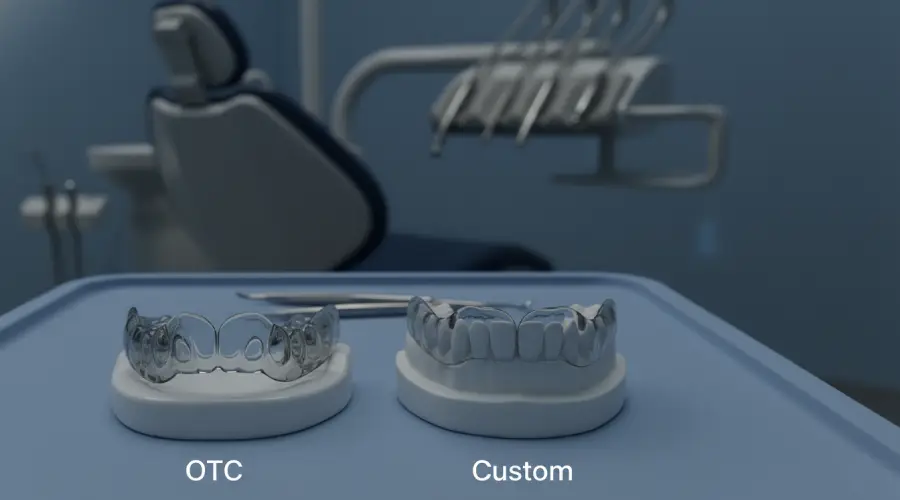
1. Over-the-Counter (OTC) Night Guards
These are the guards you usually find in drugstores or online. You’ve probably seen them near toothpaste or mouthwash.
- One-Size-Fits-All Guards: You simply pop them in and hope they fit. Easy, but the fit can be loose.
- Boil-and-Bite Guards: You heat them in hot water and then bite down to mold them to your teeth.
Pros:
- Affordable
- Easy to buy and use
- Good for trying a guard before committing
Cons:
- Can feel bulky
- May slip or move while sleeping
- It might rub against your gums
Many people start with an OTC guard just to see if they can tolerate wearing a mouth guard at night, which is a perfectly fine way to begin.
2. Custom-Made Night Guards
Custom guards are made from molds of your actual teeth, either at a dentist’s office or through an online impression kit sent to a lab.
Pros:
- Snug and comfortable fit
- Provides better protection than OTC options
- Lasts longer (can be used for several years)
- Feels natural while sleeping
Cons:
- Higher upfront cost
- Requires a dental visit or careful DIY impression
If you grind your teeth a lot, a custom mouth guard for teeth grinding is usually worth it. It’s made to fit your mouth, not someone else’s. That means it feels more comfortable and doesn’t slide around at night. Plus, it lasts longer and does a better job protecting your teeth and jaw. It may cost more at first, but honestly, it can save you from bigger dental problems later.
Night guards also come in different materials, and this matters more than most people realize.
Soft night guards
Made from flexible, rubbery material. Comfortable to wear, especially for new users. Best for light grinders or people who mainly clench. Downside: they wear out faster and heavier grinders can chew right through them.
Hard acrylic night guards
Made from rigid acrylic plastic. More durable and longer-lasting. Better for people who grind heavily. Takes a bit longer to adjust to, but protects teeth much more effectively over time.
Dual-laminate night guards
A hybrid, soft and cushioned on the inside (for comfort), hard on the outside (for durability). A good middle ground if you’re unsure which type suits you. Most custom lab guards use this design.
Ask your dentist which material fits your grinding pattern; they can check the wear on your teeth to recommend the right thickness.

Materials and Styles
Night guards also differ in material and thickness, and this affects comfort and durability. Here’s a quick breakdown:
- Soft Guards: These are flexible and comfy, ideal for light grinders. They feel gentle on teeth and gums, but may wear out faster.
- Hard Acrylic Guards: Rigid and durable, perfect for heavy grinders. These guards handle strong grinding better and last longer.
- Dual-Laminate Guards: These have a soft inside for comfort and a hard outer layer for durability. They strike a balance between protection and comfort.
Some people even wear very thin guards during the day, especially if they clench their teeth while working, studying, or focusing really hard. It sounds odd at first, but it actually helps. The right material depends on how much you grind and how comfy you want the guard to feel. When a dental night guard fits well, it can seriously improve your sleep and make your jaw feel much better. Honestly, that alone makes it worth it.
Costs and Value
Let’s talk about money, because that’s always on people’s minds.
OTC night guards are cheap upfront, usually $20 to $60. They’re a quick way to start protecting your teeth. Custom-made guards are more expensive, around $120 to $800, but they can last 2–5 years, while OTC guards often only last a few months.
Here’s the thing: a custom night guard for grinding might save money in the long run. Why? Because it protects your teeth from serious damage. Teeth don’t grow back if they get worn down. If you ignore bruxism, it can get expensive fast. Teeth can chip or wear down, and that often means fillings, crowns, or even Dental Implants later.
That stuff adds up, honestly. Also, some dental insurance plans help cover the cost of a dental night guard if your dentist confirms that you grind your teeth. Even if you have to pay on your own, it’s really an investment in keeping your teeth and jaw healthy for the long run.
Here’s a quick cost comparison:
Type | Upfront Cost | Lifespan |
OTC stock (one-size) | $15–$30 | 1–3 months |
OTC boil-and-bite | $25–$60 | 3–6 months |
Online custom lab | $100–$200 | 1–2 years |
Dentist custom (soft) | $300–$500 | 2–3 years |
Dentist custom (hard) | $400–$800 | 3–5 years |
How Effective Are Night Guards?
Night guards really do a good job protecting your teeth. Over-the-counter guards can help a bit, but they might shift around or feel awkward. Custom guards fit snugly and stop your teeth from rubbing together. That doesn’t just save your enamel; protecting your enamel also helps maintain results from Teeth Whitening procedures. It can also ease jaw pain and headaches that come from grinding.
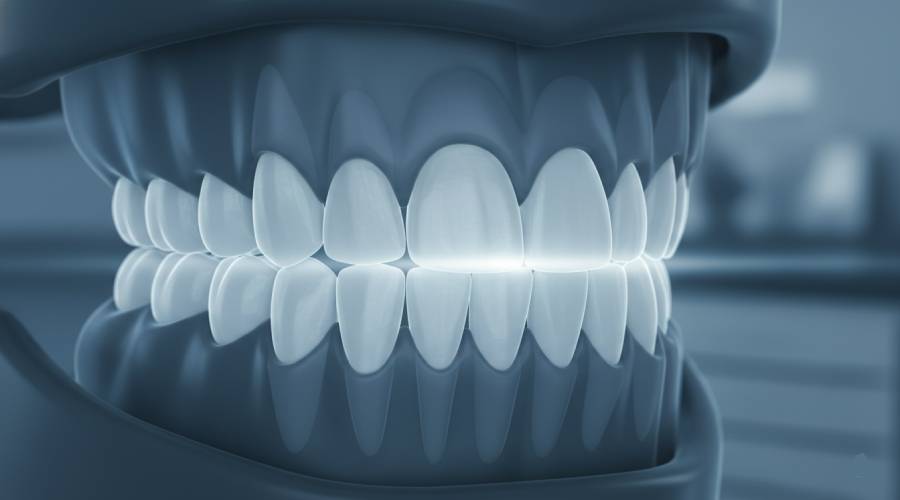
A lot of people ask, will a night guard stop grinding completely? Not really. It’s not a cure. Grinding may still happen, especially if stress is the cause. But the guard keeps your teeth and jaw safe while you sleep, which is what really matters. Many people notice that after wearing a custom guard, their jaw feels less tight in the morning. It’s a small change, but it makes a noticeable difference in daily comfort.
Signs you might need a night guard
You don’t always need a dentist to tell you first. Here are the most common signs that bruxism is affecting you:
- You wake up with a sore or stiff jaw, especially on one side
- You get frequent headaches in the morning, usually around the temples
- Your teeth look shorter, flatter, or more worn than they used to
- You notice chipped or cracked teeth that have no obvious cause
- A partner or roommate has mentioned hearing grinding sounds at night
- You have ongoing jaw clicking, popping, or pain when chewing
- Your dentist has pointed out unusual enamel wear at a checkup
If you’re checking off two or more of these, it’s worth having a conversation with your dentist. Catching bruxism early prevents the kind of tooth damage that leads to crowns, root canals, or implants down the road.
Choosing the Right Night Guard
So how do you pick the right guard?
- If you grind lightly or want to try a guard first, start with an OTC option. It’s affordable and lets you see how it feels.
- If you grind heavily, have jaw pain, or want long-term protection, a custom night guard is the better choice. It fits better, lasts longer, and offers superior protection.
A little tip: some people try an OTC guard first to test the waters. If it works okay, they upgrade to a custom mouth guard teeth grinding. It’s a smart way to ease into the habit without spending a lot upfront.
Caring for Your Night Guard
Taking care of your night guard is really important. Proper cleaning every time you use it helps prevent bacteria buildup and keeps your mouth healthy. You can gently brush it with soap or toothpaste and then rinse it well. Always keep it in a ventilated case so it stays clean and doesn’t grow bacteria.
If you notice cracks, wear, or that it doesn’t fit like it used to, it’s time to replace it. Doing this little bit of daily care helps your night guard last longer and keeps your mouth healthier. It’s a small habit that can save you a lot of trouble later on.
Care at AL Dental Studio
At our dental office, we focus on keeping your jaw and teeth healthy and pain-free. We carefully identify if you’re clenching or grinding, then create a plan that fits your lifestyle, reduces stress, and protects your teeth. Our gentle, personalized approach helps you feel comfortable and confident in your smile every day.
Conclusion
Teeth grinding might seem harmless at first, but over time, it can wear down your teeth, hurt your jaw, and even cause headaches. Night guards are a simple way to help.
Over-the-counter guards are fine if you’re just starting or only grind a little. Custom guards are better if you grind a lot, want long-term protection, and want something comfortable. A night guard isn’t just about saving your teeth; it helps keep your jaw relaxed and your sleep better, too.
Honestly, a guard can feel a little strange at first. But after a little time, you hardly even feel it. And the peace of mind knowing your teeth and jaw are safe? Totally worth it.
Whether you’ve just noticed grinding or it’s been a problem for years, using a dental night guard is a small step that can make a big difference. Protect your teeth and overall smile structure, which can affect Smile Design outcomes in the future.
Expert Care at Al Dental Studio
Personalized, high-quality dental care from experienced specialists who focus on your comfort, confidence, and long-term oral health.
FAQs
1. What is a night guard for grinding?
A night guard for grinding is a small mouthpiece you wear while you sleep. It doesn’t stop the grinding itself, but it keeps your teeth and jaw safe from damage.
2. How do I know if I need a night guard?
You might need a night guard if you wake up with jaw pain, headaches, or teeth that look worn down. Another clue is if someone tells you that you grind your teeth at night.
3. What’s the difference between OTC and custom night guards?
Over-the-counter (OTC) guards are cheap and easy to buy, but they can feel bulky or move around while you sleep. Custom guards are made from molds of your teeth, so they fit better, last longer, and give stronger protection, especially if you grind a lot.
4. How much does a night guard cost?
OTC guards usually cost between $15 and $60, while custom guards can range from $90 to $800, depending on whether you get them online or at a dental office. Even though custom guards cost more upfront, they last longer and can actually save you money over time.
5. Can a night guard stop teeth grinding completely?
No, a night guard won’t stop you from grinding, but it does protect your teeth and jaw from damage. Some people even notice their jaw feels more relaxed when they use a well-fitted custom guard.
6. How long does a night guard last?
OTC guards usually last a few months, depending on how much you use them. Custom night guards, with proper care, can last 2 to 5 years.
7. How do I clean and maintain my night guard?
Rinse your guard after every use, brush it gently with soap or toothpaste, and keep it in a ventilated case. Replace it if it cracks or stops fitting properly. Taking care of it this way helps it last longer and stay cleaner.
8. Can I wear a night guard during the day?
cracks or doesn’t fit well anymore, replace it. Doing this keeps it clean and helps it last longer.
9. Does dental insurance cover night guards?
Many dental insurance plans cover a portion of a custom night guard when it’s prescribed for bruxism or TMJ. Coverage typically falls under restorative or preventive dental benefits. Ask your insurer about dental code D9940. OTC night guards are generally not covered by insurance, but both OTC and custom guards are eligible for HSA and FSA reimbursement.
10. Will a night guard change my bite or shift my teeth?
A properly fitted custom night guard should not shift your teeth. Ill-fitting OTC guards worn for extended periods can sometimes cause minor bite changes. This is one more reason custom-made guards from a dentist are recommended over store-bought versions for long-term use.
Dental Experts, You Can Trust
Medically Reviewed. Last updated on April 30, 2026.
Learn more about our editorial standards.

Dr. Alexander Heifitz (Author)
Dr. Alexander Heifitz is the founder of AL Dental Studio in NYC, where he combines advanced dental expertise with a patient-first approach. He specializes in cosmetic and restorative treatments such as dental implants, veneers, Invisalign, and smile makeovers, helping New Yorkers achieve both oral health and confidence.

Book An Appointment
Looking for a reliable dentist in Upper East NYC? Whether you need a routine cleaning, urgent care, or a full smile transformation, we’ve got you covered. We accept most PPO insurance plans and offer flexible scheduling.
+1 (212) 430-3888
Call for appointment
Walk-ins Welcome / Same-Day Appointments Available

Related Blogs

Top Spot for Dental Implants: NYC Financial District
Written by Dr. Alexander Heifitz, Founder of AL Dental Studio | Medically Reviewed. Last updated on February 27, 2026.
Read More
Refresh Your Smile with Professional Dental Cleanings in Downtown Manhattan
Written by Dr. Alexander Heifitz, Founder of AL Dental Studio | Medically Reviewed. Last updated on February 26, 2026.
Read More