
Teeth Grinding (Bruxism): Causes, Effects & Treatment Solutions


Let me start with the most common thing I hear in my chair: “I had no idea I was grinding my teeth.” That’s exactly the problem with bruxism. It usually happens while you’re asleep, so you feel the damage, the sore jaw, the dull morning headache, the worn teeth, but you never catch yourself doing it. By the time most patients come in, their teeth have already taken a beating.
I’ve been treating teeth grinding for over 30 years, and honestly, it’s one of those conditions that sneaks up on people. You wake up feeling like you went a few rounds overnight, but since no one mentioned it to you, you just chalk it up to a rough sleep. Let me explain what’s really going on.
What Teeth Grinding Actually Is, And Why It's Not Just a 'Bad Habit'
Bruxism is the involuntary grinding or clenching of your teeth. The keyword is involuntary; you’re not choosing to do it. Your jaw muscles contract on their own, usually while you’re in a deep sleep phase, and your upper and lower teeth rub or press against each other with a surprising amount of force. We’re talking hundreds of pounds of pressure, way more than normal chewing ever puts on your teeth.
There are two types. Sleep bruxism happens at night when you’re completely unaware. Awake bruxism happens during the day, usually when you’re stressed, concentrating hard, or anxious. People often clench their jaw while staring at a screen or sitting in traffic without realizing it. If you’re curious about the differences in more detail, I wrote specifically about jaw clenching vs. teeth grinding and how they affect your mouth differently.
Why Teeth Grinding Happens
Here’s what I tell patients: stress is the number one trigger. When you’re anxious or overwhelmed, your jaw muscles tighten. For some people, that tension follows them right into sleep. Your brain may be resting, but your jaw doesn’t get the memo.
The other big trigger I see in my practice is sleep apnea. When your breathing stops briefly during sleep, your body sometimes responds by clenching the jaw, almost like a reflexive jerk to open the airway. So if you grind and you also snore or feel exhausted in the mornings, it’s worth checking both.
Bite problems can also play a role. If your teeth don’t come together evenly, your jaw has to compensate, and over time, that compensation can turn into grinding. And yes, some people are simply more prone to it genetically. Certain habits, like too much caffeine, alcohol, or hard, chewy foods, can make it worse, too.
Here's What We See at Al Dental Studio, The Signs Most People Miss
Most patients who come in for a cleaning don’t mention grinding. But when I look at their teeth, I can tell right away. The back surfaces are flattened. The edges are sharper than they should be. Some teeth have tiny cracks. That’s bruxism leaving its signature.
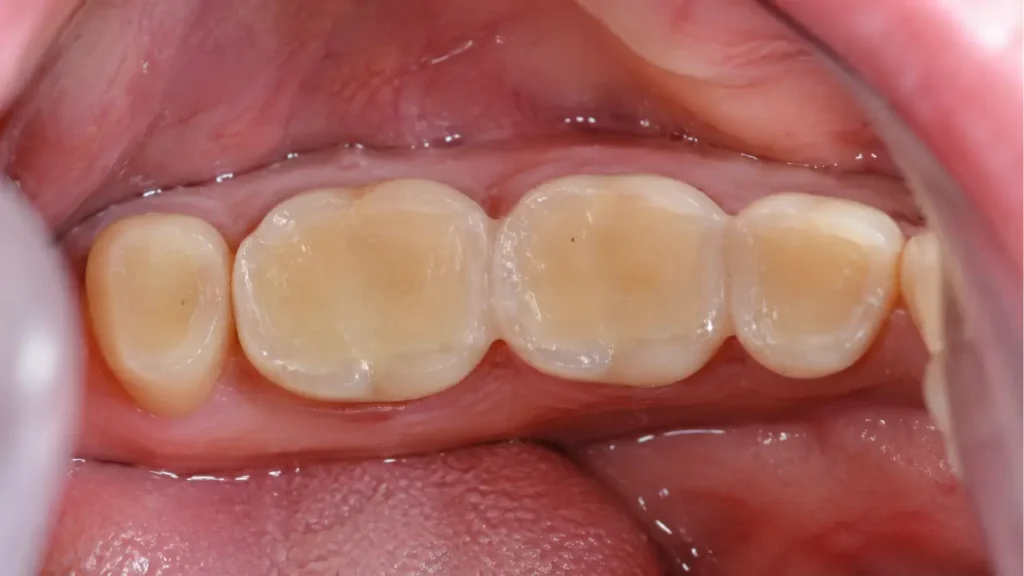
Outside the mouth, the signs are a tight or sore jaw in the morning, headaches that start at the temples, ear pain with no ear infection, and sometimes neck tension. If your partner has ever nudged you awake because of grinding sounds, that’s a clear sign. Some people also notice their teeth feel more sensitive to hot or cold, which happens when the enamel thins out from constant friction.
The tricky part is that these symptoms seem unrelated. A headache feels like a headache. Jaw soreness feels like you slept weirdly. But when I see them together, alongside worn teeth, I know exactly what I’m looking at.
What Happens If You Ignore It
I’m going to be direct here: untreated grinding does real damage. The enamel on your teeth doesn’t grow back. Once it’s worn down, it’s gone. That leaves your teeth exposed to sensitivity, decay, and fractures. I’ve had patients come in needing crowns, root canals, or even implants because they let grinding go for years without addressing it. Some even develop TMJ problems, a painful jaw joint disorder that’s much harder to treat than the grinding itself.
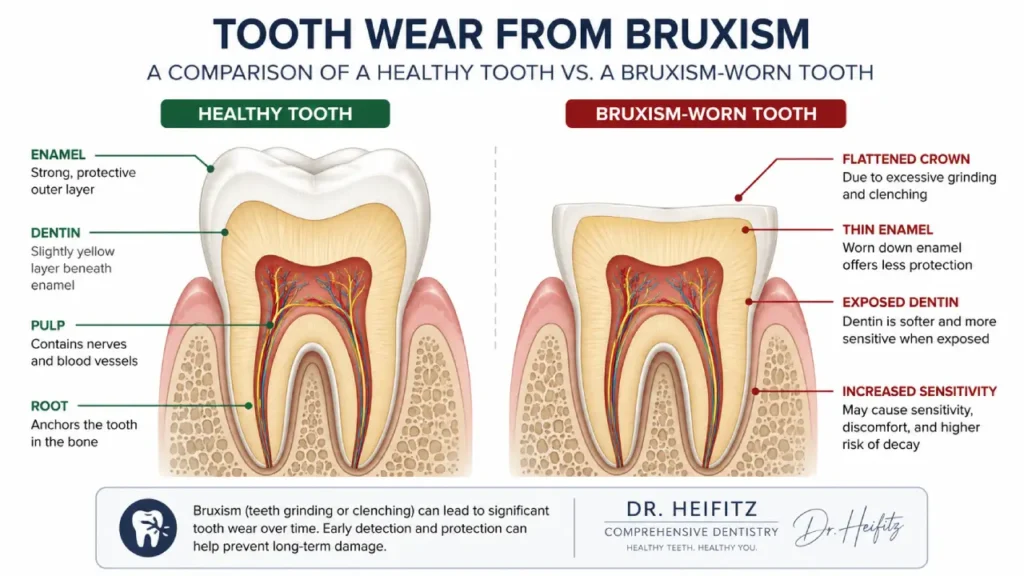
The pressure from grinding can also push against your gums over time. That’s a less-talked-about consequence, but I’ve seen it contribute to gum recession in long-term grinders. Your overall oral health really does depend on catching this early.
What I Actually Recommend to Patients
The first thing I do is look at what’s driving the grinding. Is it stress? A bite issue? A sleep disorder? The fix depends on the cause, which is why I always say don’t just grab a store-bought guard and call it done. Those guards are better than nothing, but they don’t fit well, can shift your bite, and won’t address why it’s happening.
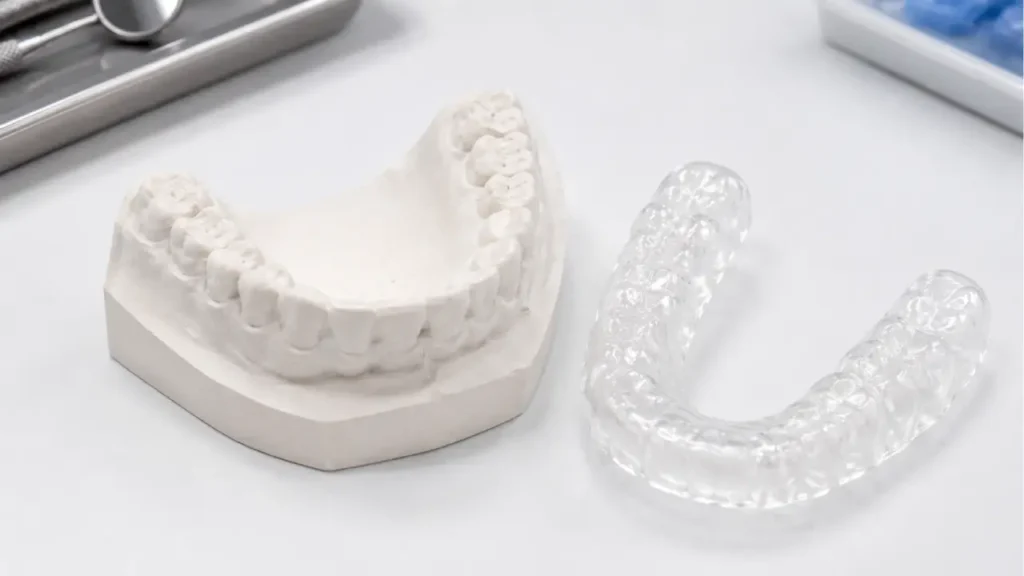
A custom night guard made from a mold of your teeth is a different experience entirely. It fits precisely, distributes the force evenly, and protects your enamel. Most patients adapt to wearing it within a week or two, and they notice that the morning jaw pain starts to fade almost immediately.
For stress-related grinding, I also recommend looking at what’s happening in your daily life. Basic things like limiting caffeine after noon, cutting back on alcohol, doing some jaw stretches before bed, and even just becoming aware of when you’re clenching during the day, all of this helps. If your bite is the root issue, we can look at orthodontics or a minor bite adjustment.
In more serious cases, we talk about Botox injections into the jaw muscles. It sounds intense, but it’s one of the most effective we have for severe grinding. The injections relax the masseter muscles so they can’t contract as powerfully, which significantly reduces the grinding force overnight.
Things Patients Always Get Wrong About Teeth Grinding
1. I don't grind, I'd know if I did.
Sleep bruxism happens in a deep phase of sleep when your brain isn’t recording memories. Most grinders have no clue until their partner tells them or I show them their worn teeth. You genuinely won’t feel it happening.
2. A night guard will fix my grinding.
A night guard protects your teeth from damage, but it doesn’t stop the grinding itself. It’s more like a helmet for your teeth. The actual cause, whether it’s stress, bite issues, or a sleep disorder, still needs to be addressed. The guard buys you time and prevents more damage, but it’s step one, not the whole solution.
3. My kids will grow out of it, so I won't worry about it.
Kids do grind more than adults, and most of the time, they do grow out of it by their early teens. But if the grinding is loud, constant, or your child is waking up with jaw pain or headaches, don’t just wait and hope. It’s worth having a quick checkup to make sure no damage is building up.
4. I only grind when I'm stressed, so once work calms down, it'll stop.
Maybe. But here’s the thing: by the time stress-related grinding becomes a habit, your jaw muscles have been trained to contract that way. Even when life gets easier, the grinding often continues. It’s like a muscle memory your jaw developed. Addressing it proactively is always better than waiting to see.
5. Is teeth grinding dangerous?
Not dangerous in the scary sense, but yes, it causes real damage over time. Worn enamel, cracked teeth, gum recession, and TMJ disorders are all real consequences of long-term, untreated bruxism. The earlier we catch it, the easier it is to manage.
Come In Before the Damage Adds Up
At Al Dental Studio, I approach teeth grinding the same way I approach everything: I want to understand why it’s happening before recommending how to fix it. A custom-made night guard could help protect your teeth from further grinding damage. Or it might be a stress management conversation, a bite evaluation, or a referral for a sleep study. Every patient is different.
If you’re waking up with a sore jaw, headaches, or someone has told you that you grind at night, don’t ignore it. Call us at +1 (212) 430-3888 or book an appointment online. We’re at 30 East 60th Street, Suite 608, New York. Same-day and walk-in appointments are available.
Dental Experts, You Can Trust
Medically Reviewed. Last updated on May 18, 2026.
Learn more about our editorial standards.

Dr. Alexander Heifitz (Author)
Dr. Alexander Heifitz is the founder of AL Dental Studio in NYC, where he combines advanced dental expertise with a patient-first approach. He specializes in cosmetic and restorative treatments such as dental implants, veneers, Invisalign, and smile makeovers, helping New Yorkers achieve both oral health and confidence.

Book An Appointment
Looking for a reliable dentist in Upper East NYC? Whether you need a routine cleaning, urgent care, or a full smile transformation, we’ve got you covered. We accept most PPO insurance plans and offer flexible scheduling.
+1 (212) 430-3888
Call for appointment
Walk-ins Welcome / Same-Day Appointments Available

Related Blogs
Teeth Grinding (Bruxism): Causes, Effects & Treatment Solutions
Written by Dr. Alexander Heifitz, Founder of AL Dental Studio | Medically Reviewed. Last updated on May 18, 2026.
Read More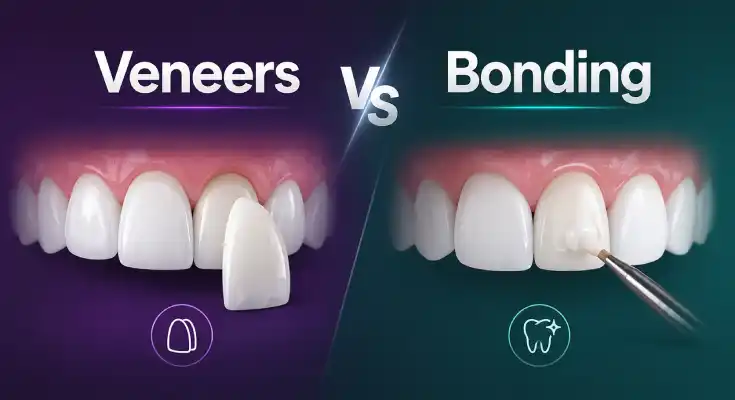
Veneers vs Bonding in NYC: Which One Is Right for You?
Written by Dr. Alexander Heifitz, Founder of AL Dental Studio | Medically Reviewed. Last updated on May 15, 2026.
Read More