
In-Office vs At-Home Teeth Whitening in NYC


This is where it comes in; what the majority of the population is unaware of is the fact that the two choices are completely different. The teeth whitening in NYC is among the most demanded aesthetic treatments we receive at AL Dental Studio, and by the same token, patients enter their daily lives with confusion. Do you go full throttle with a face-to-face meeting? Or go down to the drugstore and take a kit? Frankly, it matters what you are aiming to achieve, when you are going to get it, and what kind of teeth you have.
More than three-quarters of adults report that they desire a brighter smile, and the good news is that there is an option for the right one for nearly everybody. We are unpackaging it in this post: what each option entails, how the outcomes vary, the price thereof in this place, New York City, and also, who ought to make what choice.
Your Brighter Smile Starts With One Conversation
Immediate same-day care in Upper East NYC for your dental treatment.
What Is Teeth Whitening, Exactly?
This is the point; most people are not aware of how dissimilar these two options are. The whitening of teeth in NYC is among the most demanded cosmetic procedures that we receive at AL Dental Studio, and, still, the patients walk in with confusion on a daily basis. Do you commit to an in-flight session? Or go to the drugstore and take a kit? To be sincere, it will be determined by your purpose, your schedule, and your teeth.
More than three out of four adults indicate that they prefer a whiter smile, and the good news is that there is something right that one can find for almost anyone. Here we are deconstructing it all, what each option entails, how the outcomes work out, the cost in this city, New York, and who precisely needs to make what decision.
Should You Get a Dental Cleaning Before Whitening?
Short answer: yes, and professional dental cleaning is one of the most important steps patients skip. When plaque and tartar are sitting on your teeth, the whitening gel cannot penetrate evenly, so you end up with patchy results.
What Is In-Office Teeth Whitening Like in NYC?
The quickest method of acquiring an incredibly brighter smile is in-office whitening. This is performed directly in the dental chair with professional-grade systems such as Zoom Whitening, GLO Science, or Opalescence Boost. The whitening gel here is a lot more powerful than anything that is in the store, and your dentist is right there taking care of the whole business, making sure things are safe and even.
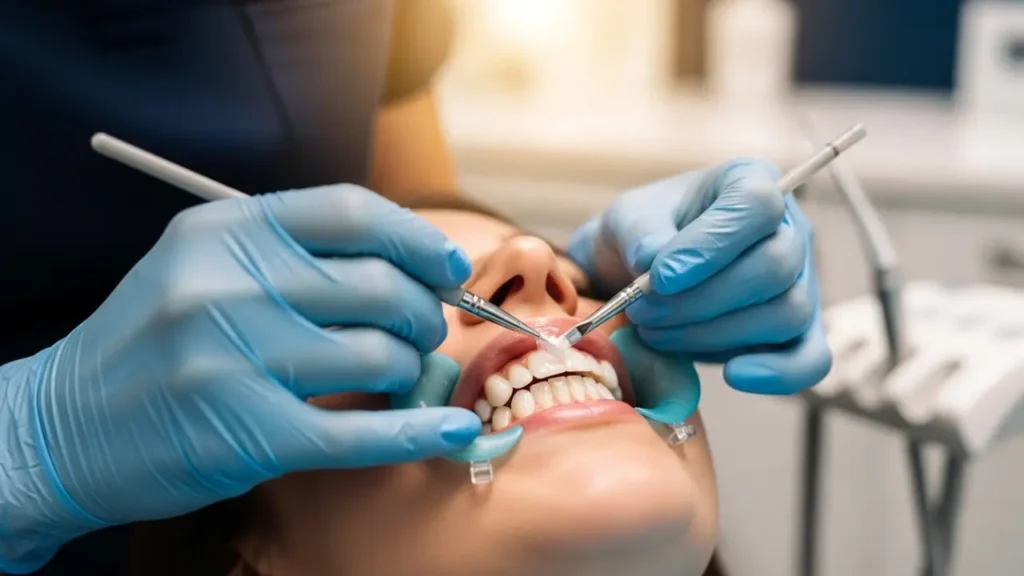
Step by Step: Here is What Happens During an In-Office Session
First, your dentist puts on a protective gel in your gums in order to keep them safe. Then you apply a professional-strength whitening solution to your teeth. The blue LED or UV light is turned on to accelerate the reaction of the gel. It is done in brief cycles of sessions lasting an average of three to four sessions of fifteen minutes. Your teeth will be up to 6 to 8 shades whiter by the time you leave. That is in a single visit. One hour of your afternoon.
Normal in-office whitening will last 1 to 3 years, and this is based on your habits. The greatest offenders that reduce the life span are coffee, red wine, and smoking. The cost of in-office treatment in NYC ranges between 500 and 850 dollars. It is rather an investment, but the outcome is instant and professionally handled.
A side effect: a small percentage of individuals have a brief-lived sensitivity of the teeth, which lasts 24-48 hours. It is completely usual and provisional. This can be handled by your dentist using desensitizing gel or a specially made toothpaste, both prior to and following the procedure.
What About At-Home Whitening? Is It Actually Worth It?
Home-based whitening is not bad at all. It merely takes time, and it yields less immediate outcomes. These are available in two forms: dentist-prepared custom trays and non-prescription kits found at the drugstore. They are extremely dissimilar in terms of the success of their operation.
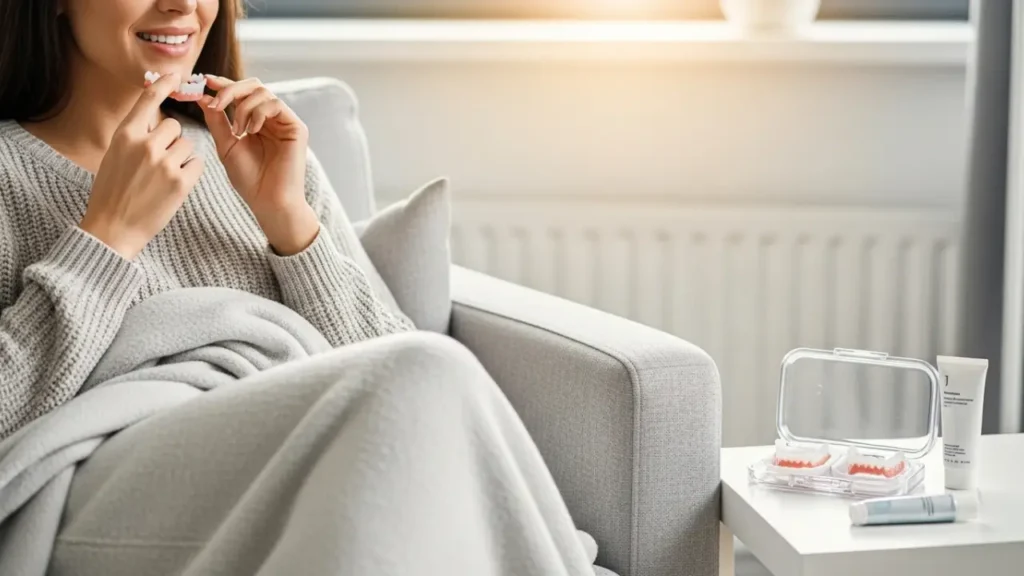
Custom Whitening Trays from Your Dentist
It is the home provision that dentists recommend. Your dentist molds your teeth and creates trays that are made of an elastic material, and they fit your specific smile. You receive a professional-level whitening gel to use with those trays, which are a lot stronger when compared to those at CVS. For one to two weeks, you put them on for 30 to 60 minutes a day. The noticeable difference begins to be observed in the days of the majority of patients. The price is generally between 250 and 400, and the trays can be used again to make subsequent touches.
Over-the-Counter Whitening Kits (Strips, Pens, LED Kits)
These are about the strips, pens, and LED kits available in every drugstore and on Amazon. They work, kind of. They work well in getting off soft surface stains, and in case one is on a stringent budget, it is worth a try. The concentration of the peroxide is, however, far weaker than what professional products have; thus, the results are slower, weaker, and in some cases uneven. They also have a tendency to miss the back teeth.
OTC kits typically cost $25 to $100. They are but a beginning, not an actual solution. In case you have already tried a couple with not much success, then it is a good indication that your teeth require something more specific and powerful.
In-Office vs At-Home Whitening: How Do They Compare?
Here is a side-by-side look at how both options stack up across the things that matter most to patients:
| Feature | In-Office Whitening | At-Home Whitening |
|---|---|---|
| Speed | ~1 hour | 1 to 2 weeks |
| Whitening Strength | 25 to 40% peroxide | 5 to 20% peroxide |
| Results | 6 to 8 shades lighter | 2 to 4 shades lighter |
| Sensitivity | Managed by your dentist | Varies, higher risk if misused |
| Customization | Tailored to your teeth | Custom trays only, not OTC kits |
| Cost (NYC) | $500 to $850 | $25 to $400 |
| Longevity | Up to 3 years with care | 6 months to 1 year |
| Touch-Up Options | Yearly touch-ups + trays | Reuse trays or buy a new kit |
Who Should Choose In-Office Whitening?
In-office whitening is the right call if you want fast, visible results, and you are not interested in waiting two weeks to see a difference. It is especially popular before major events like weddings, photoshoots, job interviews, and reunion dinners. Patients who have tried OTC kits without much luck also tend to see a dramatic jump with in-office treatment.
It is also the better option if you have sensitive teeth, because your dentist can actively manage the process. That means reducing sensitivity, applying protective gel, and adjusting the treatment as needed. That level of control just does not exist with a kit you are using at home on your own.
Who Is At-Home Whitening Better For?
At-home whitening, especially custom trays from your dentist, is a great fit if you are okay with gradual results and prefer whitening on your own schedule. It is more affordable, more flexible, and for people with very mild staining, it often produces all the brightness they need.
If you already have in-office whitening and just need a periodic touch-up, custom trays are perfect for that too. Your dentist can simply provide a refill gel, and you are good to go.
Who Should Not Whiten Their Teeth, At Least Not Yet?
Not everyone is a great candidate for whitening right away. If you have active gum disease, untreated cavities, or significant enamel erosion, whitening can make those problems worse. Your dentist will check for these things before recommending any treatment, and that exam step exists for a good reason.
Also important: whitening does not work on dental crowns, veneers, or fillings. These materials don’t react to whitening treatments. If you have visible restorations on your front teeth, veneers or composite bonding are the better route to make everything match evenly.
People with very sensitive teeth should also have a conversation with their dentist before jumping into any whitening. Systems like KOR Whitening are specifically designed for sensitive patients, so there is usually still an option. It just needs to be the right one.
How Much Does Teeth Whitening Cost in NYC?
Here is a clear breakdown of what you can expect to pay for different whitening options in New York City:
| Whitening Type | Estimated Cost in NYC |
|---|---|
| Zoom In-Office Whitening | $500 to $850 |
| Custom Take-Home Trays (from dentist) | $250 to $400 |
| Whitening Strips / OTC Kits | $25 to $50 |
| LED Whitening Kits (OTC) | $100 to $300 |
One thing to know: dental insurance does not cover whitening, since it is considered a cosmetic procedure. Many dental offices, including AL Dental Studio, offer financing options to help spread the cost. It is always worth asking at your consultation.
What Should You Avoid Right After Whitening?
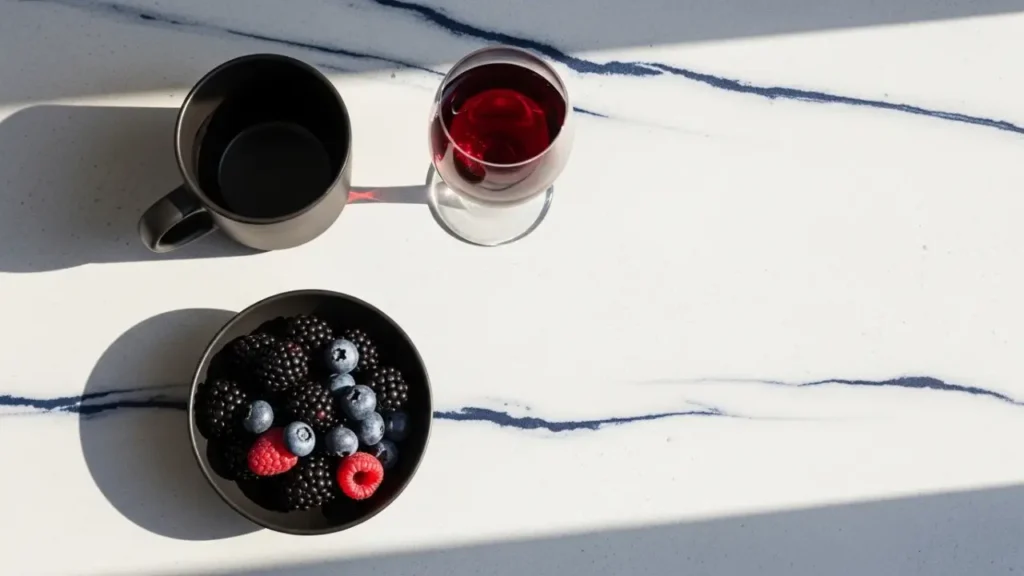
The first 48 hours after whitening matter a lot. Your teeth are more porous right after treatment, which means staining substances absorb more easily. For the first two days, avoid coffee, tea, red wine, dark sodas, tomato sauce, berries, and smoking. Think of it as a white diet window. Your morning routine is also important, from brushing to breakfast.
Is Teeth Whitening Actually Safe?
Yes, when done correctly and under dental supervision, whitening is safe for your teeth and enamel. The concern is overusing OTC products or DIY methods that contain abrasive ingredients. Baking soda, charcoal, and similar home remedies you see on social media can wear down enamel over time without giving you any real whitening.
Professional-grade gels used in dental offices are carefully formulated to lift stains without damaging the tooth structure beneath. That is a key difference between professional and store-bought options.
Tired of Dull Teeth? Let's Fix That.
Over 500 happy patients in NYC. Results you can see in a single visit.
Teeth Whitening in NYC: Questions Patients Ask All the Time
1. How long does professional teeth whitening last in NYC?
In-office teeth whitening usually lasts 1–3 years, depending on habits like smoking or drinking coffee. At-home whitening lasts 6–12 months. Using custom trays regularly can help maintain and extend the brightness.
2. Is teeth whitening safe for your enamel?
Yes, teeth whitening is safe for enamel if done correctly. It is also safe if a dentist supervises it. The problem is using over-the-counter products too much. DIY whitening with harsh ingredients can damage your teeth. Professional whitening gels are made to remove stains. They do not hurt the tooth underneath. Teeth whitening products are safe if you follow the instructions properly. Tooth enamel stays healthy with whitening.
3. Does whitening work on crowns, veneers, or fillings?
The whitening agents are only good for the enamel on your teeth. They do not work on things like restorations. So if you have crowns or veneers and they look darker than your teeth after you whiten them, you should talk to your dentist. You can ask your dentist about making some changes to your crowns or veneers so that they match your whitened teeth.
4. Should I get my teeth cleaned before whitening?
Cleaning your teeth before whitening is key. Plaque and tartar block the whitening gel, so it won’t work well. A clean surface helps the gel work better and gives more even, noticeable results.
5. What can I eat after teeth whitening?
For the first 48 hours, stick to light-colored foods like water, chicken, rice, bananas, and yogurt. Avoid coffee, tea, red wine, berries, tomato sauces, and dark sodas.
6. Does teeth whitening hurt?
In-office teeth whitening is usually painless. Some people feel mild sensitivity for a day or two, but it goes away. Using sensitive toothpaste helps, and if your teeth are very sensitive, ask about gentler whitening options.
7. Can I combine in-office and at-home whitening?
Dentists often recommend in-office whitening for quick, noticeable results. Custom take-home trays help maintain and boost that brightness over time. Using both together gives the best, long-lasting results.
Dental Experts, You Can Trust
Medically Reviewed. Last updated on February 17, 2026.
Learn more about our editorial standards.

Dr. Alexander Heifitz (Author)
Dr. Alexander Heifitz is the founder of AL Dental Studio in NYC, where he combines advanced dental expertise with a patient-first approach. He specializes in cosmetic and restorative treatments such as dental implants, veneers, Invisalign, and smile makeovers, helping New Yorkers achieve both oral health and confidence.

Book An Appointment
Looking for a reliable dentist in Upper East NYC? Whether you need a routine cleaning, urgent care, or a full smile transformation, we’ve got you covered. We accept most PPO insurance plans and offer flexible scheduling.
+1 (212) 430-3888
Call for appointment
Walk-ins Welcome / Same-Day Appointments Available

Related Blogs
Teeth Grinding (Bruxism): Causes, Effects & Treatment Solutions
Written by Dr. Alexander Heifitz, Founder of AL Dental Studio | Medically Reviewed. Last updated on May 18, 2026.
Read More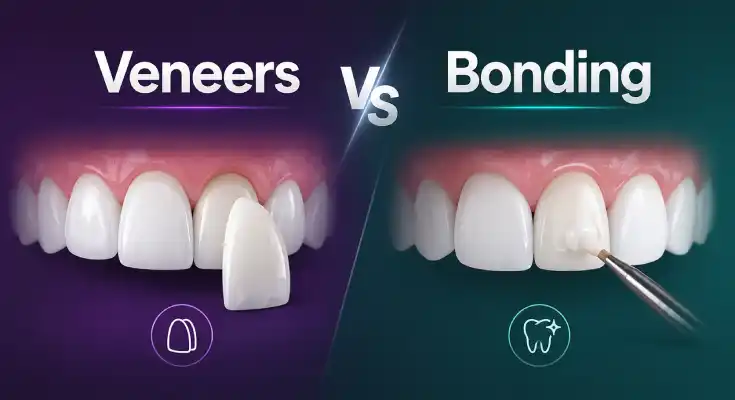
Veneers vs Bonding in NYC: Which One Is Right for You?
Written by Dr. Alexander Heifitz, Founder of AL Dental Studio | Medically Reviewed. Last updated on May 15, 2026.
Read More