
Early Tooth Cavity in Kids: Prevention Guide


Early tooth cavity, also called early childhood caries (ECC), is the presence of one or more decayed (non-cavitated or cavitated), missing (due to caries), or filled tooth surfaces in any primary tooth of a child 71 months (under 6 years) old. It is the most common chronic childhood disease and is entirely preventable with the right habits.
Unlike adult cavities, early tooth cavities in kids can start as soon as the first teeth erupt and spread rapidly because baby teeth have thinner enamel. Left untreated, it leads to pain, infection, missed school days, and even affects the developing permanent teeth. If you want to understand the full picture, our breakdown of the causes and treatments for kids cavities covers exactly what happens when it’s ignored. The good news? Simple daily actions and professional guidance deliver powerful cavity prevention for kids.
Is it time for your child’s first check-up?
Immediate same-day care in Midtown NYC for your child’s dental treatment.
What is an early tooth cavity in Kids?
Early tooth cavity (ECC) is a bacterial disease driven by acid-producing bacteria (mainly Streptococcus mutans) that feed on sugars and attack enamel. The American Academy of Pediatric Dentistry (AAPD) defines it clearly: any sign of decay on smooth surfaces in children under 3 years old qualifies as severe early childhood caries (S-ECC). By ages 3-5, higher decayed/missing/filled surface counts trigger the severe classification.
It is not just “a few spots.” ECC can progress from white spots to brown/black cavities within months. Prevalence data show it affects about 21% of U.S. children ages 2–5, with higher rates in lower-income families.
What Causes Early Tooth Decay in Kids?
Four main factors interact:
- Cariogenic bacteria (transmitted from parents or caregivers via saliva)
- Frequent exposure to sugars (milk, juice, snacks)
- Poor oral hygiene (plaque buildup)
- Susceptible teeth (thinner enamel in primary teeth)
Prolonged bottle or breastfeeding at night is a classic risk because saliva flow drops and sugars bathe the teeth for hours. Sharing utensils or cleaning pacifiers in your mouth also spreads bacteria.
What Are the Early Signs of Tooth Decay in Children?

Watch for these in order of appearance:
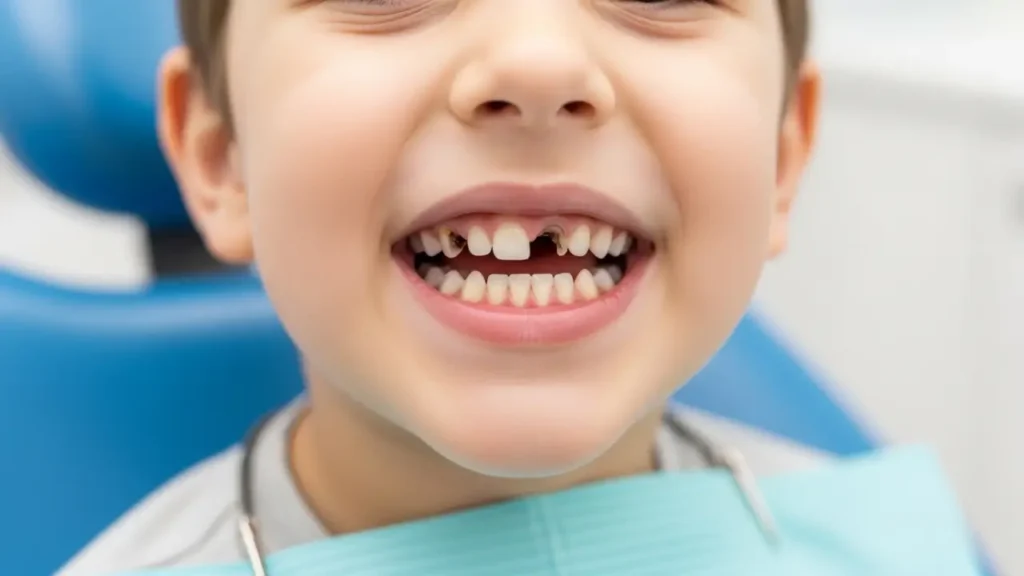
- White or chalky spots on upper front teeth (first visible sign of demineralization)
- Brown or black spots that won’t brush off
- Sensitivity to cold or sweet foods
- Pain while eating or sleeping
- Visible holes, swelling, or abscesses (advanced stage)
Many parents miss the white-spot stage because it is painless. Regular visual checks under good light help catch early tooth cavity before it becomes painful.
How Can Parents Prevent Cavities in Kids Through Daily Oral Care?
Start oral hygiene the day the first tooth erupts.
Brushing routine (AAPD-recommended):
- Use a rice-grain-sized amount of fluoridated toothpaste for children under 3; pea-sized for ages 3–6.
- Brush twice daily for 2 minutes with a soft-bristle child toothbrush.
- Parents must supervise or brush until the child is at least 7–8 years old.
Most parents brush their kids’ teeth, but the technique matters just as much as the habit. Our guide on proper brushing techniques shows exactly how to do it in a way that actually removes plaque.
Flossing: Begin daily as soon as two teeth touch.
Additional cavity prevention kids' habits:
- Clean your baby’s gums with a soft, damp cloth before the first teeth appear.
- Never put the child to bed with a bottle containing anything but water after age 1.
- Limit sippy-cup use to mealtimes only.

What Role Does Diet Play in Cavity Prevention for Kids?
Sugar frequency matters more than total amount. Every time a child eats or drinks something sugary, acid attacks teeth for 20–40 minutes.
Foods and drinks that protect teeth:
- Cheese, plain yogurt, and nuts (raise pH and provide calcium)
- Crisp fruits and vegetables (apples, carrots, cucumbers) that clean teeth naturally
- Water and unsweetened milk
Foods and drinks to limit:
- Juice, soda, and flavored milk
- Sticky snacks (raisins, gummies, fruit snacks)
- Frequent sipping of anything but water
Sticky snacks, juice, and flavored milk are the obvious ones, but a lot of parents are surprised when they find out how much hidden sugar in kids’ food is doing quite a damage between meals.
Practical tip: Offer sugary treats only at mealtimes, followed immediately by water or brushing. Xylitol (5–8 g daily in gum, syrup, or wipes) shows strong evidence for reducing S. mutans and cutting early childhood caries risk by up to 58% in studies.
Not sure what’s safe and what’s risky? We put together a full guide on the best and worst foods for teeth that makes it really easy to know what to keep and what to cut back on.


Is Fluoride Safe and Effective for Preventing Early Tooth Decay?
Yes, fluoride is the single most effective tool for cavity prevention in kids. It strengthens enamel and reverses early white spots.
Current AAPD and ADA guidelines (2025–2026):
- Community water fluoridation at 0.7 ppm remains the foundation.
- Twice-daily fluoridated toothpaste as described above.
- Professional fluoride varnish every 3–6 months for all children, especially high-risk ones.
Recent FDA guidance limits oral fluoride supplements for children under 3 unless high caries risk and low water fluoride; topical applications are fully recommended and safe.
If you want a deeper look at how this actually works, our post on fluoride treatment for tooth decay explains the whole process in plain, easy-to-follow language.
When Should You Visit an Early Cavity Dentist UES or Your Local Pediatric Dentist?
The AAPD recommends the first dental visit by the child’s first birthday or within 6 months of the first tooth erupting, whichever comes first.
See an early cavity dentist UES (or any pediatric specialist) immediately if you notice white spots, pain, or swelling. High-risk children (family history of cavities, special health needs, low-income) benefit from visits every 3 months.
During visits, expect:
- Caries-risk assessment
- Professional cleaning and fluoride varnish
- Sealants on primary molars (thin protective coatings that reduce decay by 80% in some studies)
- Personalized prevention plan
How Do Dental Sealants and Other Professional Treatments Help?
Sealants fill deep grooves on back teeth where brushes can’t reach. The procedure is fast, comfortable, and particularly helpful for children who are more likely to develop cavities. Silver diamine fluoride (SDF) is another minimally invasive option that can arrest early cavities without drilling, ideal for very young or anxious children.
Sealants are one of the most underrated things you can do, completely painless and really effective. If you’d like to understand the procedure, we provide a detailed guide on dental sealants for kids in NYC.
Common Myths About Early Tooth Decay in Kids
- Myth: “Baby teeth don’t matter; they fall out anyway.”
Fact: Untreated cavities can infect permanent teeth and cause crowding. - Myth: Fluoride is harmful for children.
Fact: When used in recommended amounts, fluoride is considered one of the safest and most well-researched ways to prevent tooth decay. - Myth: Brushing twice a day is all children need for healthy teeth.
Fact: Good nutrition, proper fluoride use, and regular dental visits also play a major role in preventing cavities.
These are just a few. If you’ve heard other things about cavities that didn’t quite add up, our post on common cavity myths clears up a lot of the stuff that gets passed around online.
FAQ Section
1. Can an early tooth cavity in kids be reversed?
Yes, early white-spot lesions (the first stage of decay) can often be reversed through remineralization using fluoride toothpaste, professional fluoride varnish, and improved daily habits before they turn into full cavities.
2. How often should my child visit the dentist for cavity prevention?
Experts from the AAPD suggest beginning dental visits by a child’s first birthday (or within six months of the first tooth) and continuing with checkups about twice a year, though some kids may need visits every three months for high-risk kids (e.g., family history of cavities or poor diet).
3. Are xylitol wipes or gum safe for toddlers?
Yes, xylitol wipes and child-specific products are generally safe and well-tolerated for toddlers when used as directed. Avoid giving xylitol gum to children under 4 due to choking risk; higher daily doses (5+ g) may cause mild stomach upset in some kids.
4. What if my child hates brushing?
Make brushing fun with songs, a 2-minute timer app, flavored toothpaste, or letting them pick their own toothbrush. Parents should supervise or brush for kids under 7–8 to ensure consistency and thorough cleaning.
5. Does juice in a sippy cup really cause early tooth cavities?
Absolutely. We provide both primary (baby) and permanent teeth. The baby teYes, frequent or prolonged sipping of juice (even 100% fruit juice) bathes teeth in sugar all day, feeding cavity-causing bacteria and raising the risk of early childhood caries (baby bottle tooth decay). Offer juice at mealtimes only, and fill sippy cups with water instead.eth are very crucial and cannot in any way be ignored, and they have the spaces where adult teeth are going to fit in and influence the speech and growth.
6. Is it worth seeing a specialist early cavity dentist UES, even if we live nearby?
Yes, pediatric dentists receive specialized training in managing children’s behavior, early dental care, and preventing or treating cavities in young patients, skills that many general dentists may not focus on.
Conclusion
Tooth decay in young children is common, but it can often be prevented. Consistent brushing with fluoride toothpaste, healthy dietary habits, xylitol use, routine dental checkups, and professional fluoride treatments all help protect your child’s teeth.
If you notice early warning signs or want guidance tailored to your child, schedule an appointment with a pediatric dentist or an early cavity specialist. Preventive care is usually simpler and more affordable than treating advanced decay.
Not sure if it’s the right time to book? Here are the signs your child needs a dental checkup. If any of them sound familiar, don’t wait.
Dental Experts, You Can Trust
Medically Reviewed. Last updated on March 27, 2026.
Learn more about our editorial standards.

Book An Appointment
Looking for a reliable dentist in Upper East NYC? Whether you need a routine cleaning, urgent care, or a full smile transformation, we’ve got you covered. We accept most PPO insurance plans and offer flexible scheduling.
+1 (212) 430-3888
Call for appointment
Walk-ins Welcome / Same-Day Appointments Available

Related Blogs
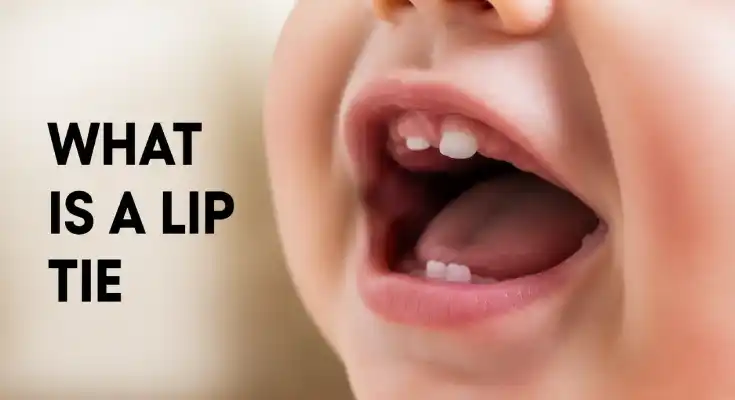
What Is a Lip Tie? Causes, Signs, and Simple Ways to Help Your Child
Written by Dr. Alexander Heifitz, Founder of AL Dental Studio | Medically Reviewed. Last updated on March 4, 2026.
Read More
8 Steps to Perfect Your Brushing Technique Tonight
Written by Dr. Alexander Heifitz, Founder of AL Dental Studio | Medically Reviewed. Last updated on March 3, 2026.
Read More